
Understanding Disk Injuries: Causes and Treatments
Ever heard of someone saying they “slipped a disc”? It’s a common phrase, but what does it actually mean when your discs get injured? Essentially, disk injuries happen when the soft, gel-like cushions between your spine’s bones (vertebrae) get damaged. This can lead to a whole lot of discomfort, pain, and sometimes even bigger issues. Understanding how these injuries occur and what can be done about them is the first step towards getting back on track.
What Exactly Are Spinal Discs?
Think of your spine not as a solid rod, but as a stack of building blocks (your vertebrae) with squishy shock absorbers in between. These are your intervertebral discs. They’re pretty remarkable structures.
The Anatomy of a Disc
Each disc has two main parts:
- The Annulus Fibrosus: This is the tough outer ring, made of many fibrous rings layered like an onion. It’s strong and helps contain the inner part.
- The Nucleus Pulposus: This is the soft, jelly-like center. It’s mostly water and acts like a fluid cushion, absorbing shock and allowing for movement.
Together, these discs let us bend, twist, and absorb the impact of daily life – from walking to jumping.
Why They’re Important for Movement
Without healthy discs, your spine would be stiff and incredibly susceptible to damage. They’re crucial for:
- Shock Absorption: Every step you take, every jolt your body experiences, is dampened by these amazing cushions.
- Flexibility: They allow your vertebrae to glide and move smoothly, enabling you to bend forward, backward, and side to side.
- Spinal Length: They contribute to the overall height and structure of your spine.
Disk injuries can significantly impact an individual’s mobility and quality of life, often requiring specialized treatment to promote recovery. For those seeking more information on related orthopedic injuries and their management, a valuable resource can be found in this article on orthopedic injuries. You can read more about it by visiting this link. Understanding the various types of orthopedic injuries, including disk injuries, can help individuals make informed decisions about their treatment options.
Common Causes of Disk Injuries
Disk injuries aren’t usually a sudden fluke; they often develop over time or are the result of specific events.
Wear and Tear (Degeneration)
This is probably the most frequent culprit. As we age, our discs naturally lose some of their water content. This makes them less flexible, flatter, and more prone to damage.
- Aging Process: It’s a natural part of life. Think of it like a tire that’s seen a lot of miles – it’s not as plump or springy as it used to be.
- Dehydration: Over time, the discs can lose fluid, leading to a decrease in their height and cushioning ability.
- Reduced Elasticity: The fibers in the annulus can become less resilient, making them more likely to tear.
Sudden Trauma or Injury
While degeneration makes discs vulnerable, a specific event can often be the straw that breaks the camel’s back.
- Lifting Heavy Objects Incorrectly: This is a classic. Bending at your waist instead of your knees, or twisting while lifting, can put immense pressure on a disc.
- Falls and Accidents: A significant impact, like a fall from a height or a motor vehicle accident, can jolt the spine and damage a disc.
- Repetitive Strain: Certain jobs or sports that involve repeated bending, twisting, or impact can wear down discs over time.
Other Contributing Factors
Believe it or not, other lifestyle choices can play a role.
- Obesity: Carrying extra weight puts increased and constant pressure on your spinal discs, accelerating wear and tear.
- Poor Posture: Slouching or maintaining awkward positions for extended periods can lead to uneven stress on your discs.
- Sedentary Lifestyle: Lack of physical activity weakens the core muscles that support your spine, making discs more vulnerable to injury.
- Smoking: Nicotine can restrict blood flow to the discs, hindering their ability to repair and nourish themselves.
Types of Disk Injuries
Not all disc problems are created equal. They range from minor irritations to more serious conditions.
Herniated Disc (Slipped or Ruptured Disc)
This is what most people think of. It happens when the tough outer layer of the disc (annulus fibrosus) tears, allowing some of the soft inner material (nucleus pulposus) to bulge or push out.
- The Bulge: A portion of the disc is pushing outwards, but the outer layer is still mostly intact.
- The Herniation/Rupture: The inner material has squeezed through a tear in the outer layer.
- Where it Hurts: If the herniated material presses on a nearby nerve root, it can cause pain, numbness, or weakness in the area the nerve supplies (often down a leg or arm).
Bulging Disc
Sometimes, the disc bulges outwards without a full rupture of the outer ring. It’s like a tire that’s just starting to get a bubble on the sidewall, rather than bursting.
- Less Severe than Herniation: A bulging disc might not press on nerves, or it might press on them less intensely.
- Often Asymptomatic: Many people have bulging discs and don’t even know it.
- Potential for Symptoms: If the bulge is significant or located in a way that irritates a nerve, it can still cause pain.
Degenerative Disc Disease (DDD)
This isn’t a “disease” in the traditional sense, but rather a description of the natural aging process of the discs. However, it can become symptomatic and painful.
- Loss of Height: Over time, discs flatten, reducing the space between vertebrae.
- Decreased Water Content: The discs become less supple and lose their shock-absorbing capacity.
- Micro-Tears: Tiny tears can develop in the annulus fibrosus, leading to inflammation and pain.
- Bone Spurs: The body might try to stabilize degenerated areas by forming bone spurs, which can sometimes irritate nerves.
Annular Tears
These are tears in the tough outer layer of the disc, the annulus fibrosus. They can occur with or without a significant herniation of the nucleus.
- Can Be Painful: Even without the inner gel pushing out, a tear itself can be a source of pain and inflammation.
- Gateway for Herniation: An annular tear can make it easier for the nucleus pulposus to bulge or herniate later.
- Often Associated with DDD: They are commonly seen as part of the degenerative process.
Symptoms of Disk Injuries
The signs and symptoms of a disk injury depend heavily on where it is, how severe it is, and whether it’s pressing on nerves.
Localized Pain
You might feel pain right where the disc is injured.
- Lower Back Pain: This is very common if the injury is in the lumbar spine (lower back).
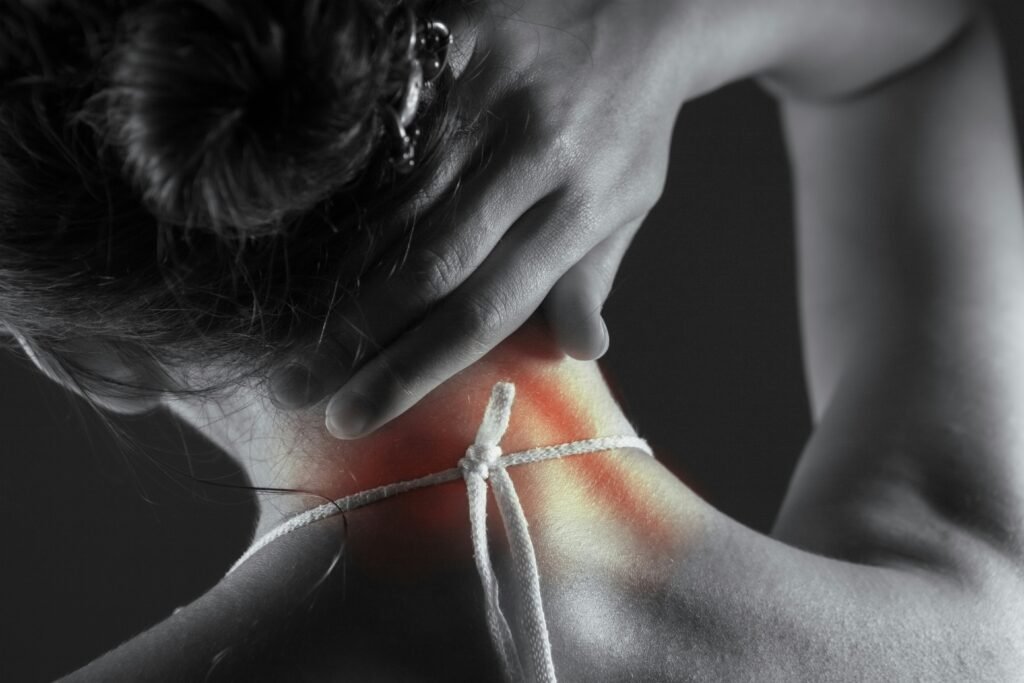
- Neck Pain: If the injury is in the cervical spine (neck), you’ll feel pain there.
- Stiffness: The area might feel stiff and difficult to move.
Radiating Pain (Sciatica, Arm Pain)
This is often a key indicator that a nerve is involved.
- Sciatica: If a lumbar disc irritates the sciatic nerve, pain can radiate down the buttock and into the leg, sometimes all the way to the foot.
- Arm Pain: A cervical disc pressing on a nerve can cause pain, numbness, or tingling that travels down the shoulder and into the arm and hand.
- Burning or Tingling: Sometimes, the pain is described as a burning sensation or pins-and-needles.
Numbness and Weakness
When nerves are compressed, they can’t send signals effectively.
- Muscle Weakness: You might notice a weakness in the muscles controlled by the affected nerve. For instance, difficulty lifting your foot when walking.
- Loss of Sensation: You could experience numbness or a reduced ability to feel touch in specific areas of your limb.
- Changes in Reflexes: A doctor might notice altered reflexes during an examination.
Other Potential Symptoms
Some less common, but important, signs to be aware of.
- Bowel or Bladder Issues: In very rare and severe cases, particularly with a large herniation in the lower back (cauda equina syndrome), compression of nerves controlling the bladder and bowels can occur. This is a medical emergency.
- Pain Worsened by Certain Movements: Bending forward, sitting for long periods, or coughing and sneezing can sometimes aggravate the pain if a disc is involved.
Disk injuries can significantly impact one’s quality of life, often leading to chronic pain and mobility issues. For those seeking alternative methods to manage pain without relying on opioids, there is a valuable resource available. You can explore effective strategies for alleviating discomfort in a related article that discusses non-opioid approaches to pain relief. To learn more about these methods, visit this article which offers insights into holistic pain management techniques.
Diagnosing Disk Injuries
Pinpointing the exact cause of your back or neck pain is crucial for effective treatment. Doctors have a few tools at their disposal.
Medical History and Physical Examination
This is where it all starts. Your doctor will ask you a lot of questions and then put you through some tests.
- Questions About Your Pain: When did it start? What makes it better or worse? Where does it hurt? What were you doing when it began?
- Neurological Tests: Your doctor will check your reflexes, muscle strength, and sensation in your arms and legs. They’ll also look at your range of motion.
- Palpation: Gently feeling along your spine to identify areas of tenderness or muscle spasm.
Imaging Tests
Once the initial assessment is done, imaging can provide a clearer picture of what’s happening inside.
- X-rays: While X-rays don’t show soft tissues like discs directly, they can reveal bone spurs, narrowing of the space between vertebrae (which can indicate disc degeneration), or signs of arthritis. They’re often a good starting point.
- MRI (Magnetic Resonance Imaging): This is the gold standard for visualizing discs. MRIs use magnetic fields to create detailed images of soft tissues, allowing doctors to clearly see herniations, bulges, tears, and nerve compression.
- CT Scan (Computed Tomography): CT scans use X-rays to create cross-sectional images. They can be useful for visualizing bone structures and sometimes show disc issues, especially if MRI isn’t an option or if there’s a concern about bone involvement.
Other Diagnostic Tools
Sometimes, more specialized tests might be needed.
- EMG (Electromyography) and Nerve Conduction Studies: These tests measure the electrical activity of muscles and nerves. They can help determine if a nerve is being compressed and how severely.
- Spinal Injections (Diagnostic): A doctor might inject a local anesthetic near a suspected nerve root or joint. If your pain temporarily disappears, it helps confirm that the targeted area is the source of your pain.
Treatment Options for Disk Injuries
The good news is that most disk injuries can be managed effectively without surgery. The approach usually starts conservatively and escalates if needed.
Conservative (Non-Surgical) Treatments
These are the first line of defense and often very successful.
- Rest and Activity Modification: This doesn’t mean bed rest for weeks. It means temporarily avoiding activities that aggravate your pain. Gentle movement is usually encouraged.
- Short-Term Rest: A day or two of reduced activity might be helpful in the initial acute phase.
- Avoiding Aggravating Positions: Steer clear of heavy lifting, prolonged sitting in one position, or twisting motions.
- Medications: Pain relievers and anti-inflammatories can help manage symptoms.
- Over-the-Counter Pain Relievers: Ibuprofen, naproxen (NSAIDs), and acetaminophen can reduce pain and inflammation.
- Muscle Relaxants: If muscle spasms are contributing to your pain, these can sometimes be prescribed.
- Prescription Pain Medications: In cases of severe pain, short-term use of stronger pain relievers might be necessary.
- Physical Therapy: This is a cornerstone of recovery. A therapist will guide you through exercises to strengthen supporting muscles, improve flexibility, and correct posture.
- Core Strengthening: Exercises to build strength in your abdominal and back muscles to better support your spine.
- Stretching and Flexibility: Improving the flexibility of your back and surrounding muscles.
- Postural Correction: Learning how to sit, stand, and move in ways that minimize stress on your spine.
- Manual Therapy: Techniques like massage or mobilization might be used to relieve muscle tension and improve joint movement.
- Heat and Cold Therapy: Simple but effective for symptom relief.
- Cold Packs: Can help reduce inflammation and numb pain in the initial stages.
- Heat Packs: Can help relax muscles and increase blood flow, often beneficial for stiffness.
Injections
When conservative treatments aren’t enough, injections can offer targeted relief.
- Epidural Steroid Injections: These involve injecting a corticosteroid medication into the space around the spinal cord and nerves. The steroid reduces inflammation, which can relieve pressure on the affected nerve and decrease pain.
- Targeted Relief: The injection targets the specific area causing nerve irritation.
- Temporary Solution: While effective for many, the relief is often temporary and may need to be repeated.
- Facet Joint Injections: If pain is coming from the small joints between your vertebrae (facet joints), these injections can help.
- Nerve Blocks: These injections can help diagnose the source of pain and can also provide pain relief by blocking pain signals from a specific nerve.
Surgical Interventions
Surgery is typically considered only when conservative treatments have failed to provide relief, or in cases of severe nerve compression that threatens significant long-term disability or causes cauda equina syndrome.
- Discectomy: A procedure to remove the portion of the disc that is herniated and pressing on a nerve.
- Microdiscectomy: A minimally invasive version using a smaller incision and a microscope or endoscope.
- Laminectomy/Laminotomy: Removal of a portion of the lamina (part of the vertebra’s bone) to create more space for the spinal cord and nerves.
- Spinal Fusion: In some cases, especially with significant instability or severe degeneration, vertebrae may be fused together to prevent painful movement. This is a more extensive surgery.
Remember, discussing your specific situation with a healthcare professional is always the best way to understand your disk injury and develop a personalized treatment plan.
FAQs
What are disk injuries?
Disk injuries refer to damage or trauma to the intervertebral disks in the spine. These disks act as cushions between the vertebrae and can become injured due to sudden trauma, repetitive stress, or degenerative conditions.
What are the symptoms of disk injuries?
Symptoms of disk injuries can include back pain, neck pain, numbness or tingling in the extremities, muscle weakness, and in severe cases, difficulty walking or standing. These symptoms can vary depending on the location and severity of the injury.
How are disk injuries diagnosed?
Disk injuries are typically diagnosed through a combination of physical examination, medical history, and imaging tests such as X-rays, MRI, or CT scans. These tests can help identify the location and extent of the injury.
What are the treatment options for disk injuries?
Treatment for disk injuries may include rest, physical therapy, pain management, and in some cases, surgery. The specific treatment plan will depend on the severity of the injury and the individual’s overall health.
How can disk injuries be prevented?
To help prevent disk injuries, it is important to maintain good posture, use proper lifting techniques, engage in regular exercise to strengthen the core muscles, and avoid repetitive motions that put strain on the spine. Additionally, maintaining a healthy weight and avoiding smoking can also help reduce the risk of disk injuries.