
Discover Effective Ankle Pain Relief Solutions
Got an achy ankle? You’re definitely not alone. Ankle pain can really put a damper on your day, making simple things like walking or even standing a chore. The good news? There are many practical and effective ways to find relief, and it’s often about understanding what’s causing the pain and then tackling it head-on.
Understanding Your Ankle Pain
Before you can really get a handle on your ankle pain, it helps to have a general idea of what might be going on. Ankle pain isn’t usually a random occurrence; it’s typically a signal from your body that something needs attention.
If you’re seeking effective solutions for ankle pain relief, you might find it beneficial to explore related topics such as sciatica, which can also contribute to lower limb discomfort. For more information on managing sciatica and its associated pain, check out this informative article on sciatica relief at Sciatica Relief. Understanding the interconnectedness of various pain conditions can enhance your overall treatment approach.
Common Causes of Ankle Pain
Think of your ankle as a complex little joint. It’s made up of bones, ligaments, tendons, and cartilage, all working together. When any of these parts get stressed, injured, or inflamed, you feel it.
Sprains: The Usual Suspects
This is probably the most common reason folks deal with ankle pain. A sprain happens when you roll, twist, or turn your ankle awkwardly, stretching or tearing the ligaments that hold it together.
- Ligament Damage: Ligaments are strong, elastic bands. When they’re overstretched, they can either become strained (like a stretched rubber band) or torn (completely broken). Severity ranges from mild to severe.
- The “Pop” Sensation: Many people report hearing or feeling a “pop” at the moment of injury, which can indicate a significant ligament tear.
- Swelling and Bruising: Expect swelling and bruising to appear soon after a sprain. The amount depends on how bad the injury is.
Strains: Muscle and Tendon Issues
While sprains focus on ligaments, strains involve muscles or tendons around the ankle. These are the tough, cord-like structures that connect muscles to bones.
- Overuse: Repetitive movements, especially in sports or demanding jobs, can lead to tendonitis, which is inflammation of a tendon. Achilles tendonitis is a common example.
- Sudden Jerks: A sudden, forceful contraction or stretch of a muscle or tendon can cause a strain.
- Tendinitis Symptoms: Pain, tenderness, and stiffness are classic signs of tendon issues. The pain might worsen with activity and ease with rest.
Fractures: A More Serious Break
This is when one of the bones in your ankle is broken. Fractures are usually caused by significant trauma, like a fall or impact.
- Types of Fractures: Fractures can range from hairline cracks to complete breaks where the bone is in multiple pieces.
- Immediate Pain: Fractures typically cause immediate, intense pain.
- Inability to Bear Weight: It’s often impossible to put weight on a fractured ankle.
Arthritis: The Wear and Tear
Arthritis is a condition that causes inflammation and joint pain. In the ankle, it can be due to wear and tear over time (osteoarthritis) or autoimmune conditions (rheumatoid arthritis).
- Osteoarthritis: This is the most common type and is often linked to age or previous injury. Cartilage, the cushioning tissue between bones, wears away.
- Rheumatoid Arthritis: An autoimmune disease where the body’s immune system attacks its own tissues, including the joints, causing inflammation and damage.
- Stiffness and Pain: Arthritis often presents with stiffness, especially in the morning, and pain that can be dull or sharp.
Tendinopathy: Chronic Tendon Problems
This term is often used for long-standing issues with tendons, going beyond simple inflammation to include changes in the tendon structure itself.
- Degenerative Changes: Over time and with repeated stress, tendons can develop microscopic tears and thickenings, affecting their ability to function properly.
- Persistent Pain: Unlike acute tendonitis, tendinopathy can cause more persistent, nagging pain that may not always be associated with direct inflammation.
Immediate Steps for Ankle Pain Relief
When ankle pain strikes, especially after an injury, taking the right steps right away can make a big difference in how quickly you recover and how severe the pain becomes. Don’t underestimate the power of early intervention.
The RICE Method: Your First Line of Defense
This acronym is a cornerstone of managing acute ankle injuries, and for good reason. It’s simple, effective, and readily accessible.
- Rest: This is paramount. Stop whatever activity is causing you pain. Avoid putting weight on your injured ankle as much as possible. This might mean using crutches for a while.
- Ice: Apply ice packs to the injured area for 15-20 minutes every 2-3 hours. Wrap the ice pack in a thin towel to prevent frostbite. Ice helps to reduce swelling and numb the pain.
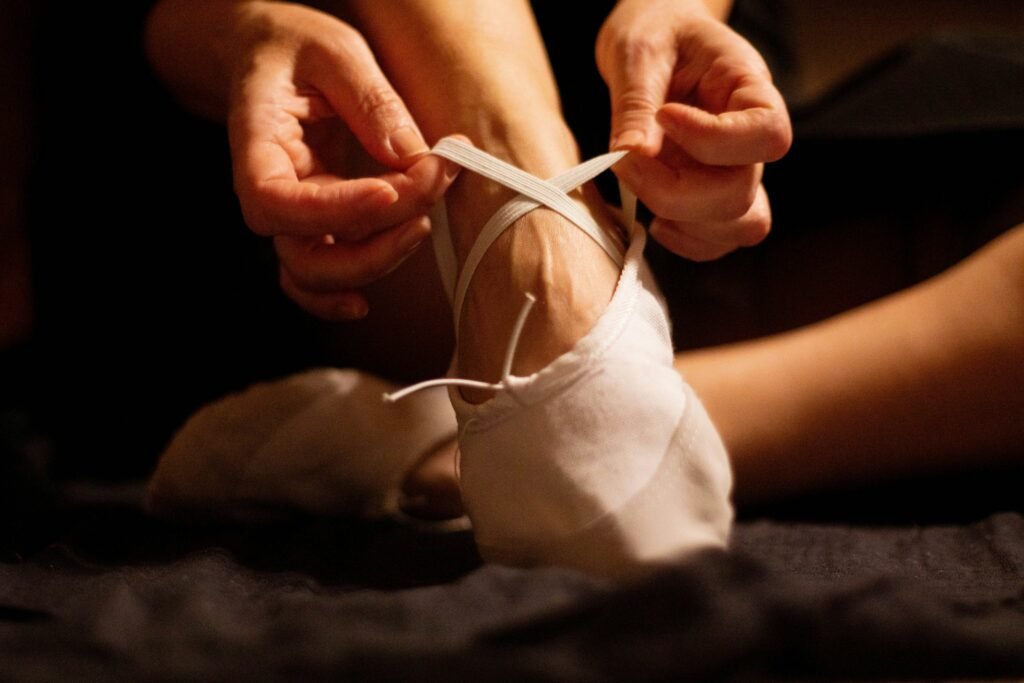
- Compression: Use an elastic bandage to wrap the injured ankle. Start wrapping from the toes and move up towards the calf. It should be snug but not so tight that it cuts off circulation. Compression helps to control swelling.
- Elevation: Keep your injured ankle raised above the level of your heart. Prop it up on pillows when sitting or lying down. This uses gravity to help drain excess fluid and reduce swelling.
Pain Management: Over-the-Counter Options
For temporary relief from discomfort, common pain relievers can be quite helpful.
- NSAIDs (Non-Steroidal Anti-Inflammatory Drugs): Medications like ibuprofen (Advil, Motrin) or naproxen (Aleve) can help reduce both pain and inflammation. Always follow dosage instructions and be aware of potential side effects, especially if you have stomach issues or kidney problems.
- Acetaminophen (Tylenol): This medication is primarily a pain reliever and doesn’t have the same anti-inflammatory effects as NSAIDs. It can be a good option if NSAIDs aren’t suitable for you.
When to Seek Professional Help
While RICE and OTC pain relievers can offer significant relief, it’s important to know when to call in the cavalry.
- Severe Pain: If the pain is unbearable or you can’t put any weight on your ankle.
- Deformity: If your ankle looks visibly out of place or misshapen.
- Numbness or Tingling: Persistent numbness or tingling in your foot or toes.
- Inability to Move: If you can’t move your ankle or toes at all.
- No Improvement: If your pain doesn’t improve at all after a few days of home care.
Therapeutic Approaches to Ankle Pain
Once the initial acute phase has passed, or if your pain is more chronic, a different set of strategies comes into play. These focus on healing, strengthening, and preventing future issues.
Physical Therapy: Your Ankle’s Best Friend
Physical therapy is often the cornerstone of ankle pain recovery. A good therapist will tailor a program specifically for your needs.
- Range of Motion Exercises: These are crucial for restoring flexibility. Gentle movements help to prevent stiffness and improve movement in the joint.
- Ankle Pumps: Sit with your legs extended and gently flex your foot up and down.
- Ankle Circles: Rotate your ankle in a circular motion, both clockwise and counterclockwise.
- Strengthening Exercises: Once pain allows, building strength is vital for supporting the ankle joint.
- Calf Raises: Stand with your feet flat on the floor and rise up onto your toes, then lower slowly. You can progress to single-leg calf raises.
- Alphabet Writing: Sit with your foot off the ground and trace the letters of the alphabet in the air with your big toe. This works a variety of muscles.
- Resistance Band Exercises: Bands can be used for various movements, including dorsiflexion (pulling toes up), plantarflexion (pointing toes down), inversion (turning sole inward), and eversion (turning sole outward).
- Balance and Proprioception Training: Proprioception is your body’s awareness of its position in space. Improving this helps prevent re-injury.
- Single-Leg Stance: Stand on one leg, gradually increasing the time you can hold the position.
- Balance Board or Wobble Disc: Once you’re comfortable standing on one leg, try using unstable surfaces.
- Gait Training: Therapists can help you relearn how to walk correctly, ensuring you’re not compensating in ways that could cause further problems.
Bracing and Taping: Support and Stability
These can provide external support to the ankle, which is particularly useful during recovery or for those prone to sprains.
- Ankle Braces: These come in various forms, from soft sleeves to rigid supports. They can limit excessive movement and provide a sense of security.
- Athletic Taping: A skilled therapist or athletic trainer can apply tape to provide support and proprioceptive feedback, helping to prevent certain movements.
Orthotics: Custom Solutions for Your Feet
If your foot mechanics contribute to ankle pain, custom orthotics might be a game-changer.
- Arch Support: For fallen arches, orthotics can provide support and help align the foot and ankle properly.
- Heel Cups: These can help with heel pain and stability.
- Addressing Biomechanics: They can correct issues like overpronation (foot rolling inward excessively) or supination (foot rolling outward excessively).
Medications: When Other Treatments Aren’t Enough
For persistent pain or inflammatory conditions, medication can be a necessary part of the treatment plan.
- Prescription NSAIDs: Stronger versions of NSAIDs might be prescribed for more significant inflammation.
- Corticosteroid Injections: Injections can provide rapid, localized relief from inflammation in conditions like tendonitis or arthritis. However, these are typically used sparingly due to potential long-term side effects.
- Disease-Modifying Antirheumatic Drugs (DMARDs): For rheumatoid arthritis, these medications work to slow disease progression and reduce inflammation.
Regenerative Medicine: Emerging Options
While not always the first line of treatment, these options are gaining traction for certain types of ankle issues.
- Platelet-Rich Plasma (PRP) Therapy: This involves injecting a concentration of your own platelets into the injured area, which is thought to promote healing.
- Stem Cell Therapy: This experimental treatment aims to use stem cells to repair damaged tissue, though its efficacy for ankle issues is still under active research.
If you’re seeking effective methods for managing ankle pain, you might find it helpful to explore various treatment options available. One innovative approach is laser therapy, which has shown promising results in alleviating discomfort and promoting healing. For more information on how this therapy works and its benefits, you can read a related article on laser therapy here. Understanding these treatments can empower you to make informed decisions about your recovery journey.
Lifestyle Adjustments for Long-Term Relief
Beyond direct treatments, making changes to your daily habits can significantly impact your ankle health and prevent future pain. It’s about working with your body, not against it.
Footwear Matters More Than You Think
The shoes you wear have a direct impact on your ankles. What’s comfortable for one person might be a recipe for disaster for another.
- Supportive Shoes: Opt for shoes that offer good arch support and cushioning. Avoid flimsy, unsupportive footwear like flip-flops for extended periods.
- Proper Fit: Ensure your shoes fit well – not too tight, not too loose. Allow enough room for your toes to wiggle.
- Activity-Specific Shoes: Different activities require different types of footwear. Running shoes are designed for impact, while hiking boots offer ankle support for uneven terrain.
- Rotating Footwear: If you wear the same shoes every day, especially for long periods, consider rotating between a couple of pairs. This allows the cushioning in the shoes to recover and can distribute wear differently.
Warm-Up and Cool-Down Routines
Skipping these crucial steps is a common mistake that can lead to injuries.
- Dynamic Warm-Up: Before exercise, engage in dynamic stretches that involve movement, such as leg swings, high knees, and butt kicks. This prepares your muscles and joints for activity.
- Static Stretching (Post-Exercise): After your workout, static stretches (holding a stretch for a period) can help improve flexibility and reduce muscle soreness. Focus on calf and hamstring stretches.
Weight Management: Reducing the Load
Every extra pound you carry puts extra stress on your joints, including your ankles.
- Joint Impact: Excess weight can significantly increase the load on your ankles with every step you take, exacerbating existing pain or leading to new problems like osteoarthritis.
- Holistic Approach: Combining a healthy diet with regular, appropriate exercise is the most effective way to manage weight and reduce stress on your ankles.
Listen to Your Body: Avoiding Overtraining
Pushing yourself too hard, too fast, or for too long is a common pathway to injury.
- Gradual Progression: When increasing the intensity or duration of your activities, do so gradually to allow your body to adapt.
- Rest Days: Schedule regular rest days into your routine. This is when your body repairs and rebuilds itself.
- Recognizing Pain Signals: Don’t ignore early signs of discomfort. Pain is your body’s way of telling you something is wrong. Instead of pushing through it, try to understand what’s causing it and adjust accordingly.
Hydration and Nutrition: Fueling Your Healing
What you eat and drink plays a role in overall health, including joint health and inflammation.
- Anti-Inflammatory Foods: Incorporate foods rich in omega-3 fatty acids (fatty fish, flaxseeds, walnuts), fruits, and vegetables. These can help combat inflammation in the body.
- Adequate Water Intake: Staying well-hydrated is essential for all bodily functions, including the health of cartilage and connective tissues.
Practical Tips for Daily Ankle Care
Incorporating a few simple habits into your daily routine can make a big difference in keeping your ankles happy and pain-free. It’s about proactive care.
Gentle Stretching Throughout the Day
You don’t need marathon-length stretching sessions. Short bursts can be very effective.
- Morning Routine: A few minutes of ankle circles and pumps when you first wake up can ease stiffness.
- Desk Breaks: If you sit for long periods, take a minute every hour to do some ankle movements.
- Evening Stretch: A gentle calf stretch before bed can help release tension.
Massage and Self-Mobilization
You can do a lot to help your ankle feel better with your own hands.
- Self-Massage: Gently massage the muscles around your ankle and calf using your thumbs or a foam roller. Focus on areas that feel tight.
- Ankle Mobility Drills: Practice slow, controlled movements that explore the full range of your ankle’s motion, ensuring you don’t force anything painful.
Mindful Movement and Activity Modification
This is less about stopping activities you love and more about doing them smarter.
- Cross-Training: Incorporate activities that don’t put as much impact on your ankles, like swimming or cycling.
- Proper Technique: If you’re involved in sports or exercises, focus on learning and maintaining correct form to reduce strain.
- Environmental Awareness: Be mindful of surfaces you’re walking or running on. Rough terrain or uneven ground increases the risk of sprains.
Managing Flare-Ups: A Practical Approach
Even with the best prevention, flare-ups can happen. Having a plan can help.
- Recognize the Signs: Learn to identify the early warning signs of a flare-up (increased soreness, stiffness, mild swelling).
- Immediate Action: When you notice these signs, back off on strenuous activities. If needed, revisit the RICE method for a day or two.
- Communicate with Your Doctor/Therapist: If flare-ups become frequent or severe, it’s a good signal to return to your healthcare provider for a reassessment.
The Long Game: Consistency is Key
Finding lasting relief for ankle pain isn’t usually a one-time fix. It’s about consistent effort and a commitment to your ankle’s health.
- Adhering to Exercises: Stick with your physical therapy exercises even after the pain subsides. This builds resilience.
- Regular Check-ins: If you have a chronic condition, regular check-ins with your doctor or therapist can help manage it effectively.
- Patience: Healing and improving ankle function takes time. Be patient with yourself and celebrate small victories along the way.
By understanding the potential causes of your ankle pain and implementing these practical, evidence-based solutions, you can significantly improve your comfort and get back to enjoying the activities you love. Remember, it’s a journey, and each step you take towards better ankle health is a positive one.
FAQs
What are the common causes of ankle pain?
Ankle pain can be caused by a variety of factors including sprains, fractures, arthritis, tendonitis, and overuse injuries.
What are some at-home remedies for relieving ankle pain?
At-home remedies for relieving ankle pain include rest, ice, compression, elevation (RICE), over-the-counter pain medication, and gentle stretching exercises.
When should I seek medical attention for ankle pain?
You should seek medical attention for ankle pain if you are unable to bear weight on the affected ankle, experience severe pain, notice significant swelling or bruising, or if the pain persists for more than a few days.
What are some treatment options for chronic ankle pain?
Treatment options for chronic ankle pain may include physical therapy, custom orthotics, corticosteroid injections, and in severe cases, surgery.
How can I prevent ankle pain in the future?
To prevent ankle pain in the future, it is important to wear supportive footwear, maintain a healthy weight, warm up before physical activity, and perform exercises to strengthen the muscles around the ankle.