
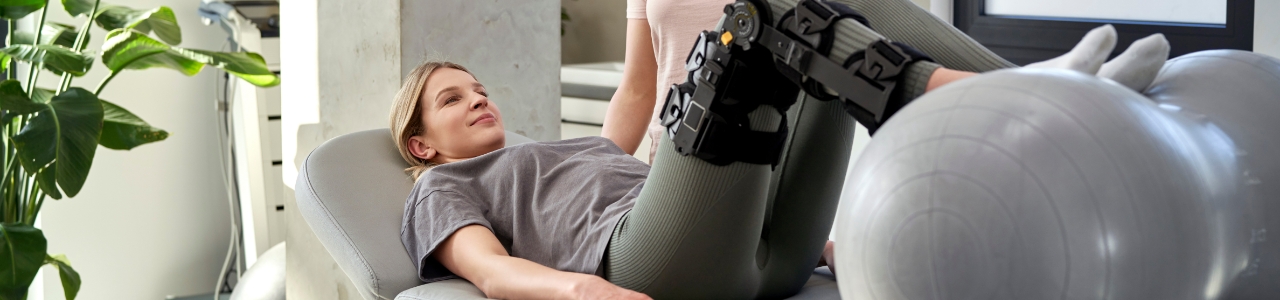
Preventing and Treating Orthopedic Injuries
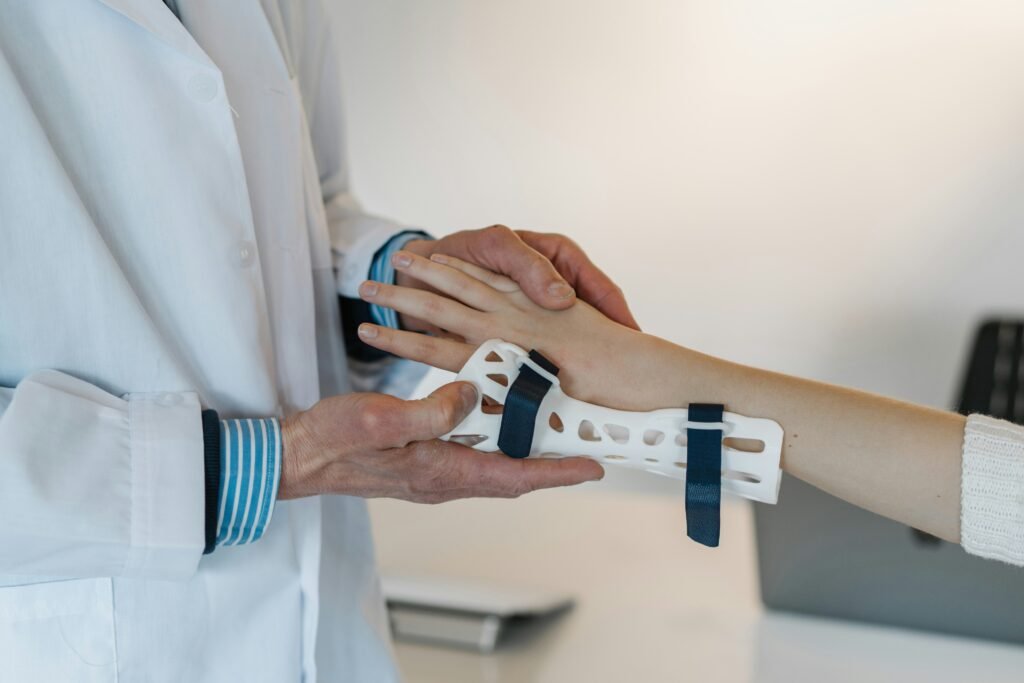
Dealing with orthopedic injuries can be a real pain, literally. Whether you’re an athlete pushing your limits, someone who works a physically demanding job, or just had a clumsy moment, understanding how to prevent and treat these kinds of issues is super important for staying active and feeling good. So, what’s the lowdown on keeping your bones, joints, muscles, and ligaments in tip-top shape, and what do you do when something goes wrong? Let’s dive into the practical stuff.
The best way to deal with an orthopedic injury? Avoid getting one in the first place! This isn’t about living in a bubble, but about being smart and prepared.
Warming Up and Cooling Down: More Than Just a Routine
You’ve probably heard it a million times, but it’s crucial. Think of it as prepping your body for action and then helping it recover smoothly.
The Purpose of a Dynamic Warm-Up
Static stretching before activity can actually decrease your muscle’s power. Instead, focus on dynamic movements that mimic what you’re about to do. This gets your blood flowing, your muscles warm, and your joints lubricated, significantly reducing the risk of strains and tears. Examples include leg swings, arm circles, torso twists, and high knees.
The Benefits of Static Stretching Post-Activity
After you’ve finished your workout or physical activity, that’s when static stretching shines. Holding stretches for 20-30 seconds helps improve flexibility and range of motion, which can prevent future injuries and reduce muscle soreness. It’s like helping your muscles relax and return to their normal length.
Strength Training: Building Your Body’s Defense System
Stronger muscles act as shock absorbers and stabilizers for your joints, providing a natural buffer against injury.
Targeting Key Muscle Groups for Injury Prevention
Focus on strengthening the muscles that support the joints most vulnerable to injury. For example, strong quadriceps and hamstrings are vital for knee health, while strong rotator cuff muscles are essential for shoulder stability. Don’t forget your core muscles – they stabilize your entire body.
The Importance of Proper Form
This is non-negotiable. Lifting too much weight with poor form is a fast track to injury. Get guidance from a qualified trainer or physical therapist to ensure you’re performing exercises correctly. It’s better to lift lighter with good form than heavier with bad form.
Listening to Your Body: The Ultimate Early Warning System
Your body sends signals. Learning to recognize and respond to them is a game-changer.
Recognizing the Difference Between Soreness and Pain
Muscle soreness after a good workout is normal. It’s a dull ache that usually dissipates with rest. Sharp, stabbing, or persistent pain that gets worse with movement is a red flag. Don’t push through significant pain – it’s your body telling you to stop.
The Role of Rest and Recovery
Adequate rest allows your muscles and tissues to repair and rebuild. Overtraining without sufficient recovery not only reduces performance but also dramatically increases your injury risk. This means getting enough sleep and incorporating rest days into your routine.
Orthopedic injuries can significantly impact a person’s mobility and quality of life, making effective treatment essential for recovery. A related article that discusses the benefits of manual stretching as a therapeutic technique for improving flexibility and reducing pain can be found at this link. This resource provides valuable insights into how manual stretching can aid in the rehabilitation process for those suffering from various orthopedic conditions.
When Things Go Wrong: Common Injuries and Their Initial Management
Despite your best efforts, injuries can still happen. Knowing what to do immediately can make a big difference in your recovery.
Sprains and Strains: The Most Frequent Offenders
These involve damage to ligaments (sprains) or muscles and tendons (strains).
Understanding Ligament vs. Tendon Injuries
Ligaments connect bone to bone, providing joint stability. Tendons connect muscle to bone, enabling movement. A sprain happens when a ligament is stretched or torn, often at the ankle, knee, or wrist. A strain occurs when a muscle or tendon is stretched or torn, commonly in the back, hamstring, or shoulder.
The R.I.C.E. Method: Your First Line of Defense
This is the classic acronym for a reason. It’s simple, effective, and you can do it yourself.
Rest: Give the Injured Area a Break
Stop the activity that caused the injury and avoid putting weight or pressure on the affected limb if possible. Resting prevents further damage and allows the healing process to begin.
Ice: Reduce Swelling and Pain
Apply an ice pack wrapped in a thin cloth to the injured area for 15-20 minutes every 2-3 hours for the first 48-72 hours. This constricts blood vessels, reducing inflammation and numbing the pain.
Compression: Control Swelling
Gently wrap the injured area with an elastic bandage. It should be snug but not so tight that it cuts off circulation or causes numbness. Compression helps limit swelling.
Elevation: Further Reduce Swelling
Raise the injured limb above the level of your heart whenever possible, especially when resting or sleeping. This uses gravity to help drain excess fluid away from the injury site.
Fractures: When Bones Break
A fracture is a break in the bone, ranging from a hairline crack to a complete shatter.
Recognizing Signs of a Fracture
Severe pain, swelling, bruising, and an inability to move or bear weight on the affected limb are classic signs. Sometimes, you might see a deformity, or even hear a snap at the time of injury.
Immediate Steps for Suspected Fractures
Do not try to realign a suspected fracture yourself. Immobilize the injured area as best as you can to prevent further movement and damage. If a bone is sticking out, cover it with a clean dressing and do not push it back in. Seek immediate medical attention.
Seeking Professional Help: When to Call in the Experts

While the R.I.C.E. method and basic self-care are great for minor issues, some injuries demand professional intervention.
When to See a Doctor or Specialist
Don’t hesitate to seek medical advice if:
- You experience severe pain that doesn’t improve with R.I.C.E.
- You have significant swelling or bruising that doesn’t subside.
- You can’t bear weight on the injured limb or move a joint.
- You suspect a fracture or dislocation.
- The pain persists for more than a few days.
- You have numbness or tingling in the injured area.
The Role of Your Primary Care Physician
Your family doctor is often your first point of contact. They can assess your injury, provide initial treatment, and refer you to a specialist if needed. They can also help manage pain with prescriptions if necessary.
When to Consult an Orthopedic Specialist
Orthopedic surgeons and sports medicine physicians specialize in the musculoskeletal system. They are best equipped to diagnose and treat complex injuries, perform surgery if required, and guide you through the rehabilitation process.
The Road to Recovery: Rehabilitation and Return to Activity

Treating an injury isn’t just about fixing the immediate damage; it’s about getting back to your normal life, stronger and smarter.
The Importance of Physical Therapy
Physical therapy is often the cornerstone of orthopedic injury recovery. It’s not just about passive treatments; it’s an active process designed to restore function.
Gradual Progression and Exercise Protocols
A physical therapist will develop a personalized plan that starts with gentle exercises to reduce pain and swelling and gradually progresses to more challenging movements. This ensures you’re not pushing too hard too soon, which could lead to re-injury.
Restoring Range of Motion and Flexibility
Injuries often cause stiffness. Physical therapy employs various techniques, from manual therapy to specific stretches, to regain lost mobility and prevent long-term limitations.
Building Strength and Endurance
As pain subsides, the focus shifts to rebuilding the strength and endurance of the muscles surrounding the injured area. This is crucial for supporting the joint and preventing future problems.
Proprioception and Balance Training
Many injuries, especially those affecting the lower limbs, impact your body’s sense of position and balance (proprioception). Specific exercises help retrain these reflexes, which is vital for activities involving quick movements and changes in direction.
Gradual Return to Sports and Activities
Don’t rush back. A premature return to demanding activities is a common cause of re-injury.
Cleared by Your Healthcare Provider
Always get the all-clear from your doctor or physical therapist before resuming full training or competition. They will assess your readiness based on pain levels, strength, flexibility, and functional ability.
Phased Return to Training
This usually involves a series of steps, starting with light, non-impact activities and gradually increasing intensity, duration, and complexity. This might look like:
- Phase 1: Light cardio, no impact.
- Phase 2: Introducing sport-specific movements without resistance.
- Phase 3: Adding resistance and plyometrics.
- Phase 4: Full practice participation with modified intensity.
Long-Term Strategies for Ongoing Joint Health
Recovery isn’t a finish line; it’s a lifestyle change.
Maintaining a Healthy Lifestyle
This includes regular exercise that balances strength, flexibility, and cardiovascular health. A healthy weight also significantly reduces stress on weight-bearing joints like hips and knees.
Proper Nutrition for Healing and Bone Health
Your diet plays a role in recovery and long-term bone strength. Ensure you’re getting enough calcium and Vitamin D for bone health, and lean protein to help muscle repair.
Ergonomics and Safe Movement Practices
Whether at work or at home, be mindful of how you move. Use proper lifting techniques, maintain good posture, and set up your workspace ergonomically to reduce strain.
Orthopedic injuries can significantly impact a person’s mobility and overall quality of life, often resulting from falls or accidents. Understanding the various types of orthopedic injuries and their treatments is crucial for effective recovery. For those interested in learning more about how falls can lead to such injuries and the rehabilitation process involved, a related article can be found here: fall-related injuries. This resource provides valuable insights into prevention and recovery strategies that can aid in the healing process.
Advanced Treatments and Technologies
| Injury Type | Number of Cases | Average Recovery Time (weeks) |
|---|---|---|
| Fractures | 500 | 8 |
| Dislocations | 300 | 6 |
| Sprains | 700 | 4 |
Sometimes, conservative approaches aren’t enough. Modern medicine offers more options for injuries that don’t heal as expected.
Imaging Techniques for Diagnosis
Understanding the extent of an injury is key to treatment.
X-rays: For Bone Issues
X-rays are excellent for visualizing bones and detecting fractures, dislocations, and signs of arthritis. They are usually the first imaging test ordered for suspected bone injuries.
MRI (Magnetic Resonance Imaging): For Soft Tissues
MRIs provide detailed images of soft tissues like muscles, tendons, ligaments, and cartilage. They are invaluable for diagnosing tears, inflammation, and other soft tissue damage that X-rays can’t show.
CT Scans (Computed Tomography): For Complex Fractures and Bones
CT scans offer more detailed cross-sectional views of bones than X-rays, making them useful for complex fractures and evaluating bone structure.
Surgical Interventions
When less invasive methods fail or aren’t appropriate, surgery becomes an option.
Arthroscopy: Minimally Invasive Surgery
Arthroscopy involves using a small camera (arthroscope) and specialized instruments to diagnose and treat joint problems through tiny incisions. This allows for quicker recovery times and less scarring for procedures like meniscus repair or rotator cuff surgery.
Joint Replacement Surgery
For severe arthritis or irreparable joint damage, joint replacement surgery (e.g., hip or knee replacement) can restore function and significantly reduce pain, allowing individuals to regain mobility and quality of life.
Fracture Repair
Complex fractures, or those that don’t heal properly on their own, may require surgery to realign the bones and stabilize them with plates, screws, or rods.
Emerging Therapies
The field of orthopedic treatment is constantly evolving.
Platelet-Rich Plasma (PRP) Therapy
PRP involves injecting a concentrated sample of the patient’s own platelets into the injured area. Platelets contain growth factors that can stimulate healing and reduce inflammation, and it’s being explored for conditions like tendinopathies and osteoarthritis.
Stem Cell Therapy
Stem cells have the potential to differentiate into various tissue types. While still largely experimental for orthopedic injuries, research is ongoing into its use for cartilage regeneration and accelerating bone healing.
Living Well with Orthopedic Health as a Priority
Ultimately, preventing and treating orthopedic injuries is about maintaining an active, fulfilling life. It’s a continuous process of awareness, preparation, and responsive care.
The Mind-Body Connection in Healing
Your mental state can significantly impact your physical recovery. Staying positive, managing stress, and having a strong support system can aid the healing process. Anxiety and depression can sometimes hinder recovery, so addressing them is important.
Making Orthopedic Health a Lifelong Commitment
This isn’t just for athletes or those with existing conditions. Everyone can benefit from prioritizing musculoskeletal health.
Regular Check-ins with Your Body
Make it a habit to assess how you feel. Are you more sore than usual? Any new twinges? Paying attention to these subtle changes can help you address minor issues before they become major problems.
Adapting Your Activities as Needed
As you age or if you have a history of injuries, you may need to adapt your exercise routine. This doesn’t mean stopping activity, but rather finding activities that are safe and enjoyable for you. Low-impact exercises like swimming, cycling, or yoga can be excellent alternatives.
The Value of Community and Support
Connecting with others who have similar experiences can be incredibly beneficial. Support groups, whether online or in person, can offer advice, encouragement, and a sense of belonging.
By understanding these principles and actively applying them, you can significantly reduce your risk of orthopedic injuries and navigate the recovery process more effectively, ensuring you can keep doing the things you love.
FAQs
What are orthopedic injuries?
Orthopedic injuries are injuries that affect the musculoskeletal system, including the bones, joints, muscles, ligaments, tendons, and nerves. These injuries can result from trauma, overuse, or degenerative conditions.
What are common types of orthopedic injuries?
Common types of orthopedic injuries include fractures, sprains, strains, dislocations, tendonitis, bursitis, and ligament tears. These injuries can occur in any part of the body, but are most commonly seen in the extremities such as the arms, legs, and spine.
How are orthopedic injuries diagnosed?
Orthopedic injuries are typically diagnosed through a combination of physical examination, medical history, and imaging tests such as X-rays, MRI, or CT scans. These tests help to determine the extent and location of the injury, as well as guide treatment options.
What are the treatment options for orthopedic injuries?
Treatment for orthopedic injuries may include rest, immobilization, physical therapy, medication, and in some cases, surgery. The specific treatment plan will depend on the type and severity of the injury, as well as the individual’s overall health and activity level.
How can orthopedic injuries be prevented?
Orthopedic injuries can be prevented by maintaining a healthy lifestyle, including regular exercise, proper nutrition, and avoiding risky activities. Using proper protective gear and practicing good body mechanics can also help reduce the risk of orthopedic injuries.