
Preventing Sports Injuries: Tips for Staying Safe
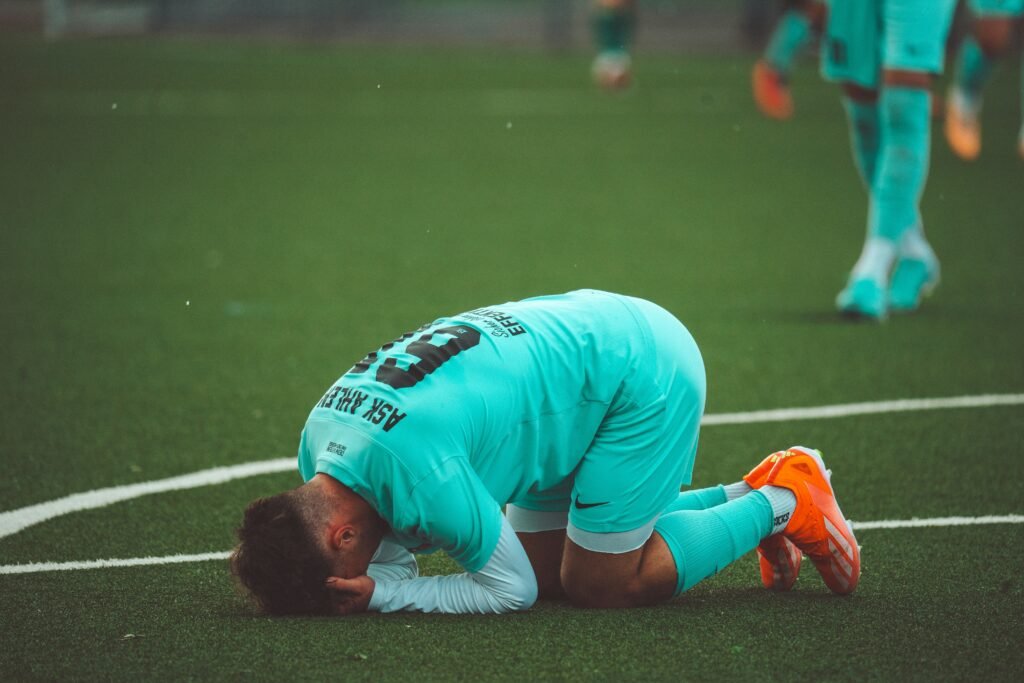
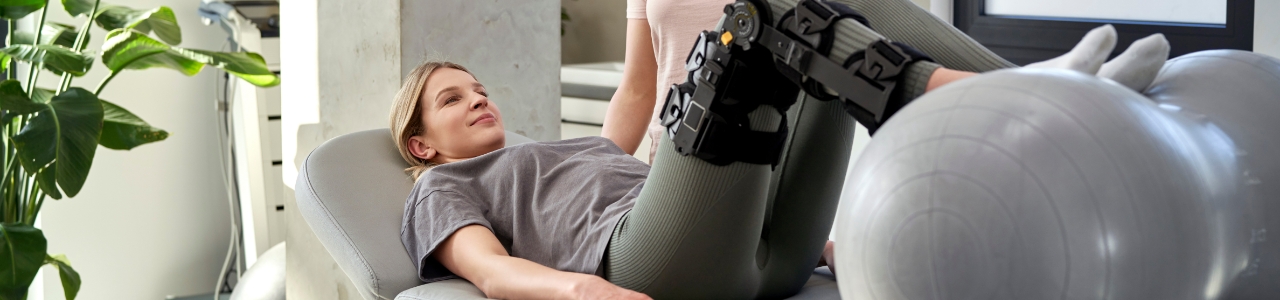
Getting sidelined by a sports injury can be a real bummer. The good news? You can significantly lower your risk of common sports injuries by being smart about how you train and play. Think of it as being your own best sports medicine doctor – a little preparation goes a long way in keeping you in the game.
Before we dive into prevention, it’s helpful to get a handle on why sports injuries generally occur. It’s not usually a single dramatic event, but often a combination of factors that wear down your body.
The Role of Overuse
One of the most common culprits behind sports injuries is overuse. This happens when you push your body too hard, too often, without giving it enough time to recover. Imagine repeatedly hammering a nail into wood; eventually, the wood starts to splinter or crack. Your muscles, tendons, and bones are similar.
Repetitive Stress
Many sports involve repetitive movements. Tennis players repeatedly swing a racket, runners pound the pavement, and swimmers perform the same strokes thousands of times. While these movements are essential for performance, repeating them without variation or rest can lead to micro-tears in tissues, inflammation, and eventually, more significant injuries.
Insufficient Rest and Recovery
Recovery isn’t a luxury; it’s a crucial part of training. When you don’t allow your body adequate rest, it can’t repair the damage from your workouts. This can lead to fatigue, decreased performance, and a higher susceptibility to injury. Think of sleep as your body’s most powerful repair crew.
The Impact of Poor Technique
How you perform a movement is just as important as how much you do it. Incorrect technique can put undue stress on specific joints and muscles, leading to problems over time.
Biomechanical Faults
Every sport has an optimal way of moving to generate power and prevent strain. If you have a faulty swing in golf or an inefficient stride in running, you’re essentially misdirecting force, which can cause significant pain and injury in areas like your back, knees, or shoulders.
Lack of Proper Guidance
Sometimes, we think we know what we’re doing, but a few small adjustments from a qualified coach or trainer can make a world of difference. Trying to self-correct without expert feedback can solidify bad habits.
When External Factors Play a Part
It’s not always about what you’re doing wrong; sometimes, the environment or equipment can contribute to injuries.
Inadequate Equipment
Worn-out shoes, ill-fitting gear, or the wrong type of equipment for your sport can be a recipe for disaster. For example, playing basketball in running shoes won’t provide the ankle support you need, increasing your risk of sprains.
Environmental Conditions
Playing on uneven surfaces, in extreme heat or cold, or in wet conditions can increase your risk. A slippery field can lead to falls, while playing in intense heat without proper hydration can result in heat exhaustion or heatstroke.
Sports injuries can significantly impact an athlete’s performance and overall well-being. Understanding when to seek professional help is crucial for effective recovery. For those experiencing sciatica pain, which can often arise from sports-related activities, it’s essential to know when to consult a physical therapist. A related article that provides valuable insights on this topic is available at When to Seek a Physical Therapist for Sciatica Pain. This resource outlines the signs that indicate the need for professional intervention and offers guidance on managing pain effectively.
Warming Up and Cooling Down: Essential Steps
This is non-negotiable. Skipping your warm-up or cool-down is like trying to drive a car without letting the engine warm up or shutting it off abruptly. It can lead to a breakdown.
The Purpose of a Warm-Up
A warm-up gradually increases your heart rate, blood flow to your muscles, and your body temperature. This makes your muscles more extensible and less prone to tears. It also primes your nervous system for the activity ahead, improving coordination and reaction time.
Dynamic Stretching
Think of dynamic stretches as active movements that mimic the actions of your sport. Instead of holding a stretch, you’re moving through a range of motion.
Leg Swings
Forward and backward leg swings help loosen up your hamstrings and hip flexors. Side-to-side swings target your adductors and abductors. Keep the swings controlled and within a comfortable range.
Arm Circles
Small, medium, and large arm circles, both forward and backward, prepare your shoulder joints and the muscles surrounding them.
Torso Twists
Gentle torso twists help mobilize your spine and engage your core muscles, preparing them for rotational movements.
High Knees and Butt Kicks
These simple exercises elevate your heart rate and activate your leg muscles, getting your blood pumping.
Light Cardio
A few minutes of light jogging, cycling, or jumping jacks can elevate your heart rate and get your entire body ready for more intense activity. Aim for about 5-10 minutes.
The Importance of Cooling Down
A cool-down helps your body gradually return to its resting state. It can aid in removing metabolic waste products that build up during exercise and reduce post-exercise muscle soreness.
Static Stretching
This is where you hold a stretch for a period, typically 20-30 seconds. Static stretching after exercise, when your muscles are warm and pliable, can improve flexibility over time.
Hamstring Stretch
Sit with one leg extended and the other bent. Lean forward from your hips, reaching towards your toes.
Quadriceps Stretch
Stand and grab one ankle, gently pulling your heel towards your glutes. Keep your knees close together and your torso upright.
Calf Stretch
Lean against a wall with one leg forward and the other back, keeping the back heel on the ground. Feel the stretch in your calf.
Rehydration and Refueling
While not strictly part of the cool-down movement routine, rehydrating and providing your body with nutrients after exercise is crucial for overall recovery and injury prevention.
Building Strength and Conditioning Appropriately

Being strong doesn’t just mean being able to lift heavy weights. It means having muscles that can support your joints, absorb impact, and perform movements efficiently.
The Role of Strength Training
Strength training is vital for preventing injuries because it builds muscle mass around your joints, providing stability and shock absorption. Stronger muscles are also more resistant to fatigue, which is a major contributor to injuries.
Balanced Muscle Development
It’s crucial to train opposing muscle groups. If you only focus on your biceps, your triceps might become relatively weaker, leading to imbalances that can cause joint pain.
Pushing and Pulling Exercises
For upper body strength, ensure you incorporate exercises that both push (like push-ups and bench presses) and pull (like rows and pull-ups).
Strengthening Glutes and Hamstrings
Weak glutes and hamstrings are often implicated in knee and lower back pain. Exercises like squats, lunges, bridges, and deadlifts are essential.
Core Strength
Your core muscles (abs, back, and obliques) act as a central stabilizer for your entire body. A strong core improves balance, posture, and power transfer, and significantly reduces the risk of back injuries. Planks, crunches, and Russian twists are good starting points.
The Benefits of Cardiovascular Fitness
A good level of cardiovascular fitness means your heart and lungs are efficient. This allows you to sustain activity for longer without becoming prematurely fatigued, which, as we’ve established, is a major injury risk factor.
Endurance and Stamina
Better endurance means you can maintain good form for longer, even when you’re tired. This is particularly important in sports that require sustained effort.
Improved Blood Circulation
Good circulation ensures that your muscles receive adequate oxygen and nutrients during exercise and can effectively clear out waste products, aiding in recovery.
Gradual Progression is Key
The principle of progressive overload – gradually increasing the demands on your body over time – is fundamental. Jumping into intense training too quickly is a surefire way to get hurt.
Avoiding “Too Much, Too Soon”
If you’re new to a sport or returning after a break, start with shorter durations and lower intensity. Slowly increase the duration, frequency, or intensity of your workouts. A common guideline is the “10% rule,” which suggests not increasing your training volume by more than 10% per week.
Listening to Your Body
This ties back to gradual progression. If something feels wrong, don’t push through it. Pain is your body’s signal that something needs attention. Learn to distinguish between muscle soreness (discomfort that fades with movement) and sharp, persistent pain (a warning sign).
Proper Technique and Form: Your First Line of Defense

This bears repeating because it’s so critical. Even the most conditioned athlete can get injured if their technique is flawed.
Prioritizing Skill Development
Focus on mastering the fundamental movements of your sport. This often requires instruction from qualified coaches or trainers.
Expert Guidance is Invaluable
A good coach can identify subtle errors in your form that you might not notice yourself. They can provide drills and cues to correct these issues before they lead to injury. Don’t underestimate the value of ongoing coaching, even for experienced athletes.
Breaking Down Complex Movements
Many sports involve complex sequences of movements. A coach can help you break these down into smaller, manageable components to ensure each part is executed correctly.
Understanding Biomechanics
Knowing how your body moves during a specific sport can help you identify potential stress points and learn to move more efficiently.
Joint Alignment
Pay attention to how your joints are aligned during key movements. For example, in a squat, your knees should generally track over your second toe, not collapse inward.
Muscle Activation Patterns
Certain muscles are designed to initiate or stabilize specific movements. If the wrong muscles are taking over, it can overload other tissues. For instance, if your glutes aren’t firing properly in a squat, your lower back might compensate, leading to pain.
Consistency in Practice
Regular practice is essential not just for improving performance, but for ingraining correct movement patterns. The more you repeat a movement correctly, the more automatic and efficient it becomes.
Muscle Memory and Efficiency
When you perform a movement correctly thousands of times, it becomes ingrained in your neuromuscular system. This makes you more efficient, less prone to error, and better able to withstand the demands of your sport.
Drills Focused on Form
Incorporate specific drills into your training that focus solely on technique, even if they don’t feel like “hard” training. These are often the most important for injury prevention.
Sports injuries can significantly impact an athlete’s performance and overall well-being, making it essential to understand the various types and their prevention. For those seeking more information on how to manage these injuries effectively, a helpful resource can be found in this related article. It offers valuable insights into patient information forms that can aid in the recovery process and ensure a smoother return to the field.
Nutrition and Hydration for Injury Prevention
| Year | Total Injuries | Type of Injury |
|---|---|---|
| 2018 | 1,500,000 | Sprains and strains |
| 2019 | 1,700,000 | Fractures |
| 2020 | 1,300,000 | Concussions |
What you put into your body plays a massive role in its ability to perform, recover, and resist injury. It’s not just about fueling your workouts; it’s about building a resilient body.
The Role of Nutrients in Tissue Repair
Your muscles, tendons, and bones are constantly undergoing microscopic damage during exercise. Specific nutrients are essential for repairing this damage and rebuilding stronger tissues.
Protein for Muscle Repair
Protein is the building block of muscle tissue. Consuming adequate protein, especially around your workouts, provides the amino acids needed to repair and rebuild muscle after exercise. Aim for a balanced intake throughout the day from sources like lean meats, fish, eggs, dairy, legumes, and nuts.
Carbohydrates for Energy and Recovery
Carbohydrates are your body’s primary fuel source during exercise. Consuming them before and after workouts replenishes muscle glycogen stores, providing the energy needed for performance and aiding in the recovery process. Choose complex carbohydrates like whole grains, fruits, and vegetables.
Healthy Fats for Inflammation and Hormones
Healthy fats are important for reducing inflammation, which is a common precursor to many injuries. They also play a role in hormone production, which is critical for overall bodily function and recovery. Sources include avocados, nuts, seeds, olive oil, and fatty fish.
The Importance of Hydration Throughout the Day
Dehydration can impair performance, lead to muscle cramps, and increase the risk of heat-related illnesses. It also affects your body’s ability to repair itself.
Water is Your Best Friend
Adequate water intake is crucial for virtually all bodily functions, including muscle contraction, nutrient transport, and waste removal. Don’t wait until you’re thirsty to drink; thirst is often a sign that you’re already dehydrated.
Electrolytes for Intense Activity
For prolonged or intense exercise, especially in hot conditions, replacing lost electrolytes (sodium, potassium, magnesium) is also important. Sports drinks can be helpful, but often water and a balanced diet are sufficient for most recreational athletes.
Timing of Nutrition
When you eat can be just as important as what you eat, especially concerning recovery and readiness for your next training session.
Pre-Exercise Fueling
Consuming a carbohydrate-rich meal or snack 2-3 hours before exercise provides sustained energy. A smaller snack closer to activity time can also be beneficial.
Post-Exercise Recovery Nutrition
Within a window of 30-60 minutes after exercise, consuming a combination of carbohydrates and protein can significantly optimize muscle recovery and glycogen replenishment. This ‘anabolic window’ is crucial for rebuilding tissue.
Sports injuries can be a significant setback for athletes, impacting their performance and overall well-being. Understanding how to manage the physical and emotional aspects of recovery is crucial. For those feeling overwhelmed by pain and stress, exploring effective treatment options can be beneficial. A related article discusses how physical therapy can provide relief for individuals dealing with pain, which can be particularly helpful for athletes facing the challenges of recovery. You can read more about this approach in the article here.
Listening to Your Body and Seeking Professional Help
This is perhaps the most crucial aspect of injury prevention that many athletes overlook. Your body sends signals, and learning to interpret them is a vital skill.
Recognizing the Difference Between Fatigue and Pain
Muscle soreness after a tough workout is normal. It’s a sign that your muscles have been challenged. However, sharp, persistent, or localized pain is not typical.
Muscle Soreness vs. Injury Pain
Muscle soreness (Delayed Onset Muscle Soreness or DOMS) usually appears 12-72 hours after exercise and feels like a generalized ache or stiffness that improves with gentle movement. Injury pain, on the other hand, is often immediate, sharp, and may worsen with activity. It can also be accompanied by swelling, bruising, or a loss of function.
Pushing Through Pain: The Risk
Ignoring warning signs and pushing through legitimate pain is a direct route to turning a minor issue into a significant problem that could sideline you for weeks or months.
The Role of Rest and Active Recovery
Rest days aren’t for the lazy; they are essential for allowing your body to rebuild and adapt. Active recovery, such as light walking, swimming, or yoga, can help promote blood flow and reduce stiffness without putting excessive stress on your system.
Scheduled Rest Days
Include at least one to two full rest days in your weekly training schedule. This gives your body a chance to fully recover before the next bout of intense activity.
Active Recovery Modalities
Gentle activities on rest days can be incredibly beneficial. They help flush out metabolic byproducts and can improve circulation without taxing overworked muscles.
When to Call in the Experts
Don’t hesitate to seek professional advice if you experience persistent pain, a sudden sharp pain, or a significant decrease in your ability to perform.
Sports Medicine Physicians
These doctors specialize in the diagnosis and treatment of injuries related to physical activity. They can accurately diagnose the problem and develop a comprehensive treatment plan.
Physiotherapists/Physical Therapists
Physiotherapists are experts at rehabilitation and injury prevention. They can help you regain strength, flexibility, and function after an injury, and also work with you to identify and address the underlying causes of your issues to prevent recurrence.
Certified Athletic Trainers
These professionals are often on the sidelines of sports events. They have expertise in recognizing and treating athletic injuries, as well as preventing them through proper conditioning and training strategies.
By incorporating these strategies into your training and lifestyle, you’ll be well on your way to enjoying your sport with a significantly reduced risk of injury. Remember, consistency and mindful attention to your body’s signals are your most powerful tools for staying safe and performing at your best.
FAQs
What are the most common sports injuries?
The most common sports injuries include sprains and strains, knee injuries, swollen muscles, Achilles tendon injuries, fractures, and dislocations.
What are the risk factors for sports injuries?
Risk factors for sports injuries include inadequate warm-up, poor conditioning, overtraining, improper equipment, and previous injuries.
How can sports injuries be prevented?
Sports injuries can be prevented by using proper equipment, maintaining good conditioning, warming up before physical activity, using proper techniques, and taking rest days to allow the body to recover.
What are the treatment options for sports injuries?
Treatment options for sports injuries include rest, ice, compression, elevation (RICE), physical therapy, medication, and in some cases, surgery.
When should someone seek medical attention for a sports injury?
Medical attention should be sought for a sports injury if there is severe pain, swelling, numbness, inability to bear weight, or if the injury does not improve with home treatment.