
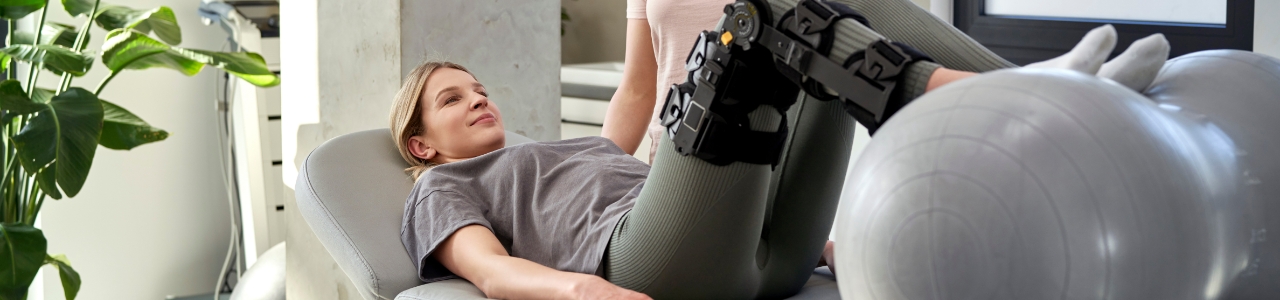
Improving Mobility: Total Joint Replacement

Getting around with ease is something many of us take for granted, until it becomes a real struggle. When your joints are in constant pain, everyday tasks like walking, climbing stairs, or even just getting out of a chair can feel like monumental efforts. For some, after trying everything else – physical therapy, medications, injections – total joint replacement surgery becomes the best path to regaining that lost mobility and a better quality of life. Simply put, it’s a procedure where a damaged joint is removed and replaced with artificial parts, typically made of metal and plastic, designed to mimic the natural joint’s movement. It’s a significant step, but one that can offer incredible relief and renewed freedom of movement for many.
Let’s demystify total joint replacement. It’s not just a quick fix; it’s a carefully considered surgical procedure. Essentially, it involves removing the worn-out or diseased parts of a joint and replacing them with prosthesis. This new, artificial joint is designed to function smoothly, allowing for a much-improved range of motion and, critically, significantly reducing or eliminating pain.
Why Consider Joint Replacement?
You might be wondering, “Why would someone even think about this?” The primary driver is pain, intense and persistent, that significantly impacts daily life. This isn’t just a minor ache; it’s pain that prevents you from working, enjoying hobbies, or even sleeping well.
Common Conditions Leading to Joint Replacement
A few culprits often lead to this decision. Understanding these can help you see if you might be on a similar path.
Osteoarthritis (OA)
This is by far the most common reason. OA is a “wear and tear” condition where the cartilage cushioning your joints gradually breaks down. Over time, bone rubs directly against bone, causing excruciating pain, stiffness, and reduced movement. Imagine two rough surfaces grinding together – that’s what’s happening inside your joint.
Rheumatoid Arthritis (RA)
Unlike OA, RA is an autoimmune disease. Your body’s immune system mistakenly attacks the lining of your joints, leading to inflammation, pain, stiffness, and joint damage. It can affect multiple joints throughout the body.
Post-Traumatic Arthritis
Sometimes, a severe injury to a joint – like a fracture or dislocation – can, years later, lead to arthritis. The initial trauma damages the joint surface, making it more susceptible to wear and tear.
Avascular Necrosis (AVN)
This is a less common but very serious condition where the blood supply to a part of the bone is disrupted. Without enough blood, the bone tissue dies and collapses, leading to joint pain and eventual destruction.
Total Joint Replacement is a significant surgical procedure that can greatly improve the quality of life for individuals suffering from debilitating joint pain. For those interested in understanding the rehabilitation process following such surgery, a related article on back pain relief can provide valuable insights. This resource discusses various physical therapy techniques that can aid in recovery and enhance mobility post-surgery. To learn more about effective strategies for managing pain and improving function, you can read the article here: Back Pain Relief.
Deciding if It’s Right for You: The Evaluation Process
Considering total joint replacement is a big decision, and it’s not taken lightly by you or your medical team. There’s a thorough evaluation process to ensure it’s the best course of action.
Initial Consultation and Medical History
Your journey usually starts with a conversation with an orthopedic surgeon. They’ll want to hear your story: when did the pain start? What does it feel like? What makes it better or worse? They’ll also delve into your overall health, any existing medical conditions, and medications you’re taking. This helps them build a complete picture of your health status.
Physical Examination
The surgeon will then physically examine the affected joint. They’ll check your range of motion, observe your gait (how you walk), and pinpoint areas of pain and tenderness. They’re looking for swelling, instability, and any signs of muscle weakness around the joint.
Diagnostic Imaging
To truly see what’s happening inside the joint, imaging tests are crucial.
X-rays
These are standard. X-rays can clearly show bone damage, loss of joint space (indicating cartilage breakdown), and the presence of bone spurs. They give an excellent overview of the joint’s structural integrity.
MRI (Magnetic Resonance Imaging)
Sometimes, an MRI might be ordered. This provides more detailed images of soft tissues, like cartilage, ligaments, and tendons, which aren’t as visible on X-rays. It can help assess the full extent of damage.
Conservative Treatment Attempts
Before surgery is even on the table, most doctors will recommend a course of conservative treatments. This isn’t meant to delay relief, but to ensure that less invasive options have been exhausted.
Physical Therapy
Strengthening muscles around the joint and improving flexibility can often significantly reduce pain and improve function. A physical therapist can guide you through exercises tailored to your condition.
Medications
Over-the-counter pain relievers (like ibuprofen or acetaminophen), prescription anti-inflammatories, and even specific medications for conditions like RA can help manage symptoms.
Injections
Corticosteroid injections can provide temporary pain relief and reduce inflammation directly in the joint. Viscosupplementation, which involves injecting a gel-like substance into the joint, can also sometimes help lubricate and cushion it.
If these non-surgical approaches don’t provide sufficient, lasting relief, and your quality of life remains significantly compromised, then total joint replacement becomes a serious consideration.
Preparing for Your Surgery: What to Expect

Once you and your surgeon decide that total joint replacement is the best course, preparation begins. This isn’t just about the day of surgery; it’s a process that lays the groundwork for a successful recovery.
Pre-Surgical Medical Clearance
Your general health needs to be optimal for surgery. You’ll likely have a complete physical exam, blood tests, and an EKG (echocardiogram) to ensure your heart and other organs are healthy enough to undergo the procedure and anesthesia. Any existing medical conditions, like diabetes or high blood pressure, will need to be well-managed.
Medication Review
It’s crucial to discuss all medications, supplements, and herbal remedies you’re taking with your surgeon and anesthesiologist. Some, especially blood thinners, might need to be stopped or adjusted before surgery to minimize bleeding risks.
Home Preparation
Thinking ahead about your home environment can make a world of difference during recovery.
Accessibility Adjustments
Consider how you’ll navigate your home with potentially limited mobility and assistive devices like crutches or a walker. This might mean arranging furniture, removing tripping hazards (rugs!), and ensuring essential items are within easy reach.
Support System
Who will be there to help you post-surgery? Having a friend or family member lined up to assist with daily tasks, transportation, and simply offering support is invaluable. Don’t be afraid to ask for help!
Pre-Operative Education
Many hospitals offer classes or provide materials to educate patients about what to expect before, during, and after surgery. These resources cover everything from anesthesia options to pain management and physical therapy plans. The more you know, the less anxious you’ll likely feel.
The Surgery Itself: What Happens in the Operating Room?

While you’ll be asleep, it’s good to have a general idea of the surgical process. It’s a highly skilled and precise operation.
Anesthesia Options
You’ll discuss anesthesia with your anesthesiologist. Options typically include:
General Anesthesia
You’ll be completely unconscious and won’t feel anything during the surgery.
Spinal or Epidural Anesthesia
This numbs you from the waist down, and you may also receive sedation to help you relax or even sleep through the procedure.
The Surgical Process (Generally)
While details vary by joint, the general steps include:
Incision
The surgeon makes an incision to access the joint.
Removing Damaged Tissue
The damaged cartilage and bone are carefully removed.
Preparing the Bone
The ends of the bones are reshaped to fit the artificial components.
Implanting the Prosthesis
The artificial components, typically made of metal alloys and durable plastics, are then firmly attached to the bone. They are designed to replicate the natural joint’s mechanics.
Closing the Incision
Once the new joint is secure and tested for proper movement, the incision is closed with sutures or staples.
The surgery typically takes a few hours, though this can vary. Afterwards, you’ll be moved to a recovery room for close monitoring as the anesthesia wears off.
Total joint replacement is a significant surgical procedure that can greatly enhance the quality of life for individuals suffering from joint pain and mobility issues. For those interested in understanding the broader implications of such surgeries, a related article discusses the importance of rehabilitation in the recovery process. This article highlights how effective physical therapy can lead to better outcomes post-surgery. To learn more about this crucial aspect of recovery, you can read the article here.
Post-Surgery and Recovery: The Road to Regained Mobility
| Year | Total Joint Replacements | Hip Replacements | Knee Replacements |
|---|---|---|---|
| 2018 | 1,011,000 | 332,000 | 679,000 |
| 2019 | 1,052,000 | 345,000 | 707,000 |
| 2020 | 1,093,000 | 358,000 | 735,000 |
The surgery is a crucial step, but the real work of regaining mobility begins immediately afterward, with recovery and rehabilitation.
Immediate Post-Operative Care
In the hospital, several things happen:
Pain Management
Expect some pain, but it will be managed effectively with medication. Don’t hesitate to communicate your pain levels to your medical team. Good pain control is essential for you to participate in therapy.
Incision Care
Your surgical site will be monitored for signs of infection. You’ll receive instructions on how to care for your incision once you’re home.
Early Mobilization
This is key! Often within a day of surgery, you’ll be encouraged to get up and move, with assistance. Early movement helps prevent complications like blood clots and aids in recovery.
Physical Therapy and Rehabilitation
This is the cornerstone of your recovery. A physical therapist will work with you to:
Restore Range of Motion
Gentle exercises will help you regain flexibility and the full range of movement in your new joint.
Strengthen Muscles
Building strength in the surrounding muscles is vital for supporting the new joint and improving stability.
Improve Gait and Balance
You’ll learn how to properly use assistive devices and relearn how to walk or move efficiently and safely.
The duration and intensity of physical therapy vary for everyone, but consistency is crucial.
Going Home
Most people are discharged from the hospital within a few days to a week after surgery. You’ll receive clear instructions on:
Medication Schedule
Pain relievers, blood thinners, and potentially other medications.
Activity Restrictions
What you can and cannot do. This will gradually ease over time.
Warning Signs
What symptoms to watch out for (e.g., fever, warmth, redness, increased pain at the incision site) and when to contact your doctor.
Long-Term Recovery and Lifestyle Adjustments
Recovery isn’t a quick sprint; it’s a marathon.
Continued Exercise
Regular, gentle exercise, as recommended by your therapist or doctor, will be important for maintaining your joint health and muscle strength.
Healthy Weight
Maintaining a healthy weight reduces stress on your new joint.
Avoiding High-Impact Activities
While you’ll regain significant mobility, certain high-impact sports or activities might be discouraged to protect your new joint from excessive wear and tear. Discuss specific activities with your surgeon.
Follow-Up Appointments
Regular check-ups with your surgeon will be necessary to monitor the health of your new joint and ensure everything is functioning well.
Total joint replacement can truly be a life-changing procedure, offering a new lease on life for those who have suffered from debilitating joint pain. While it involves commitment and effort, the potential for vastly improved mobility and a significant reduction in pain makes it a worthwhile journey for many.
FAQs
What is total joint replacement?
Total joint replacement is a surgical procedure in which a damaged joint is removed and replaced with a prosthesis made of metal, plastic, or ceramic materials. This procedure is commonly performed on hips and knees, but can also be done on other joints such as shoulders, elbows, and ankles.
Who is a candidate for total joint replacement?
Candidates for total joint replacement are typically individuals who have severe joint pain, stiffness, and limited mobility due to conditions such as osteoarthritis, rheumatoid arthritis, or injury. These symptoms must not have responded to non-surgical treatments such as medication, physical therapy, or injections.
What are the risks associated with total joint replacement?
Risks associated with total joint replacement include infection, blood clots, implant loosening, dislocation, and nerve or blood vessel damage. Additionally, there is a risk of anesthesia complications and the need for revision surgery in the future.
What is the recovery process like after total joint replacement?
Recovery after total joint replacement involves physical therapy, pain management, and gradually increasing activity levels. Most patients are able to return to light activities within a few weeks, but full recovery can take several months. It is important to follow the surgeon’s post-operative instructions to ensure a successful recovery.
What are the long-term outcomes of total joint replacement?
The long-term outcomes of total joint replacement are generally positive, with the majority of patients experiencing reduced pain, improved mobility, and a better quality of life. However, the lifespan of the prosthetic joint varies depending on factors such as the patient’s age, activity level, and the type of implant used. Regular follow-up with the surgeon is important to monitor the condition of the joint replacement.