
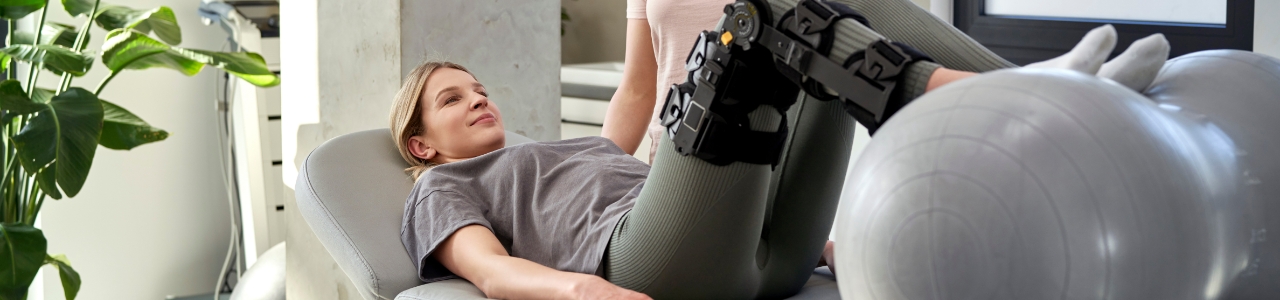
Optimizing Recovery: Pre/Post-Surgical Rehabilitation
So, you’re facing surgery, and the big question on your mind is likely, “What do I do to bounce back as smoothly and quickly as possible?” The short answer is: recovery isn’t just something that happens after the surgery; it starts before and continues long after. Pre and post-surgical rehabilitation are crucial components of getting you back to your best, and it’s less about magic bullets and more about smart, consistent effort. Let’s break down how to approach this whole recovery game.
Most people focus on what happens after surgery, but the preparation you do beforehand can make a significant difference. Think of it as giving your body a head start.
Why Bother with “Prehab”?
Surgery is a stressor on your body, and the more prepared it is, the better it can handle that stress and the subsequent healing process. Stronger muscles, better cardiovascular health, and a clear understanding of what to expect can lead to less pain, a shorter hospital stay, and quicker return to daily activities.
Boosting Muscle Strength and Endurance
If you’re having surgery on a limb, for example, strengthening the surrounding muscles before surgery can help compensate for any weakness or reduced mobility post-op. Even general fitness can improve circulation and your body’s ability to deliver nutrients and oxygen to the healing tissues.
Improving Range of Motion
For joints that are already stiff or painful, gentle exercises to maintain or slightly improve your range of motion can be beneficial. This doesn’t mean pushing through sharp pain, but rather working within your current limitations to keep things from becoming even more restricted.
Educating Yourself and Coping Strategies
Prehab isn’t just physical. It’s also about mental preparation. Understanding the surgical procedure, the expected recovery timeline, and potential challenges can reduce anxiety. Learning some basic pain management techniques or mindfulness exercises beforehand can also empower you when recovery gets tougher.
Nutritional Optimization
Your body needs the right building blocks to heal. Ensuring you’re well-nourished before surgery can give your immune system and tissue repair mechanisms a significant advantage. This means focusing on a balanced diet rich in protein, vitamins, and minerals.
Pre/Post-Surgical Rehabilitation is a critical aspect of recovery that can significantly impact a patient’s overall outcome. A related article that delves into the importance of core strength in rehabilitation is available at this link: How a Stronger Core Can Help with Balance Issues. This article highlights how enhancing core stability not only aids in balance but also plays a vital role in the rehabilitation process, making it an essential read for those undergoing surgical procedures.
Understanding Your Post-Surgical Roadmap
Once surgery is on the calendar, it’s time to get a clear picture of what recovery will actually look like. This isn’t a one-size-fits-all situation.
The Surgeon’s Role and Your Rehabilitation Team
Your surgeon is your primary guide for the initial recovery. They’ll provide specific instructions regarding activity restrictions, wound care, and medication. But often, they’ll also refer you to a rehabilitation specialist.
Physical Therapists: Your Allies in Movement
Physical therapists (PTs) are experts in biomechanics and rehabilitation. They design personalized exercise programs, teach you proper movement patterns, and help you regain strength, flexibility, and balance. Don’t underestimate their role; they are key to unlocking your recovery potential.
Occupational Therapists: Reclaiming Daily Tasks
If your surgery affects your ability to perform everyday activities like dressing, cooking, or working, an occupational therapist (OT) can help. They focus on adapting tasks, recommending assistive devices, and ensuring you can function independently.
The Importance of Communication
Never hesitate to ask your surgical team or rehabilitation specialists questions. If something feels off or you’re unsure about an instruction, speak up. Clear communication is vital for a smooth recovery.
The Immediate Post-Operative Period: The First Few Steps

This is often the most critical phase, where attention to detail can set the stage for the rest of your recovery.
Pain Management: A Priority, Not a Weakness
Effective pain management is essential for allowing you to move and participate in early rehabilitation. It’s not about enduring pain, but about managing it effectively so you can progress.
Understanding Your Pain Medication
Your doctor will prescribe pain relief. Understand why you’re taking it (e.g., for acute pain, inflammation), how to take it (with food, at specific times), and any potential side effects. Don’t stop taking prescribed pain medication too early if you still need it for function.
Non-Pharmacological Pain Relief
Beyond medication, there are other strategies:
- Ice and Heat: Used judiciously, these can help reduce swelling and soothe sore muscles. Your PT will likely guide you on when and how to use them.
- Elevation: Keeping the surgical site elevated, especially for limb surgeries, helps reduce swelling.
- Gentle Movement: As advised by your care team, very early, controlled movements can actually help manage pain by promoting circulation and preventing stiffness.
Wound Care: Preventing Complications
Proper wound care is paramount to avoid infection and ensure proper healing.
Following Instructions Precisely
Your surgical team will provide specific instructions on how to care for your incision. This might include changing dressings, cleaning the wound, and recognizing signs of infection. Stick to these guidelines religiously.
Recognizing Signs of Infection
Be vigilant about signs of infection, such as increasing redness, swelling, warmth around the wound, unusual discharge (pus), or fever. If you notice any of these, contact your doctor immediately.
Early Mobilization: The Gentle Start
While rest is important, immobility can lead to complications like blood clots and muscle weakness. Early mobilization, as tolerated and guided by your medical team, is key.
Bed Exercises
Even if you can’t get out of bed, simple exercises like ankle pumps, heel slides, and gentle leg raises can improve circulation and prevent stiffness.
Getting Out of Bed
When your surgical team clears you, the first few steps are often the biggest. This might be just a few feet with assistance. The goal is to get blood flowing, stimulate your lungs, and start regaining confidence.
The Core of Recovery: Post-Operative Rehabilitation Exercises

Once the initial acute phase passes, the real work of regaining function begins. This is where your rehabilitation program, often led by a physical therapist, becomes essential.
Structured Exercise Programs: The Cornerstone
Rehabilitation exercises are designed to systematically rebuild strength, flexibility, balance, and endurance. They are usually staged, progressing from simple movements to more complex and functional activities.
Strengthening Exercises
This phase focuses on rebuilding muscle mass and strength that may have been lost due to disuse or the surgery itself.
- Isometrics: Contracting muscles without moving the joint (e.g., pushing against an immovable object).
- Isotonics: Exercises with resistance that involve movement, using resistance bands, weights, or bodyweight.
- Functional Movements: Exercises that mimic everyday activities, like squats, lunges, or step-ups, performed safely as your strength allows.
Range of Motion (ROM) Exercises
These exercises aim to restore the normal movement capabilities of your affected joints.
- Active ROM: You move the joint yourself.
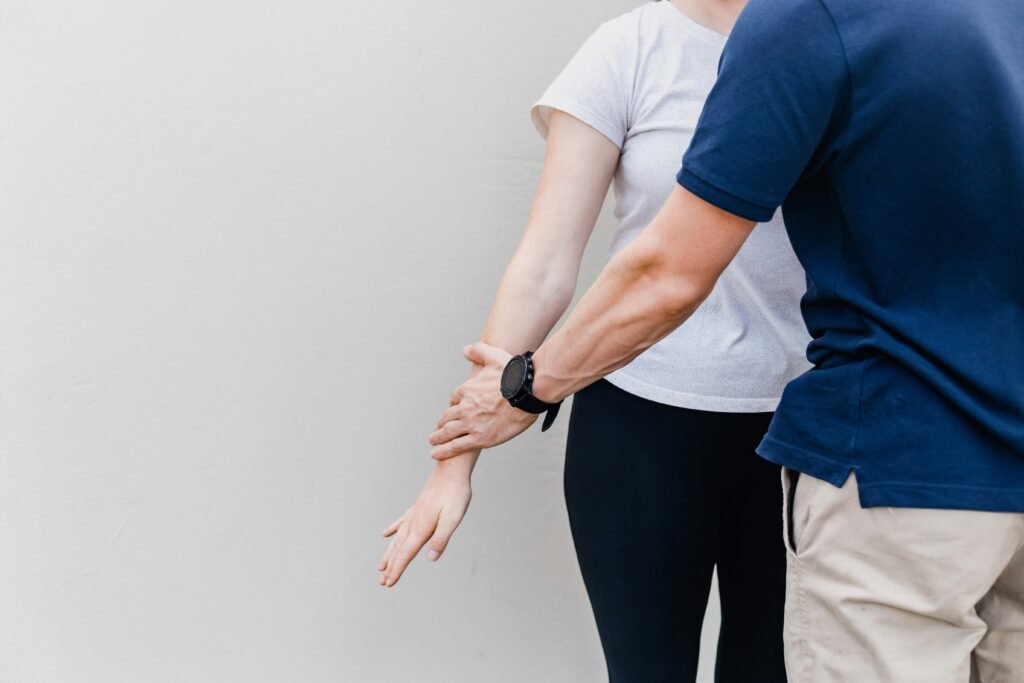
- Passive ROM: Someone else (like a therapist) moves your joint for you.
- Active-Assisted ROM: You initiate the movement, and then use your other limb or a device to assist.
Balance and Proprioception Training
After surgery, your sense of balance and your body’s awareness of its position in space (proprioception) can be impaired.
- Single-leg stands: Gradually progressing to unstable surfaces.
- Heel-to-toe walking: Improving gait stability.
- Ball exercises: Using Swiss balls or Bosu balls for dynamic balance challenges.
Rest and Recovery Within Rehabilitation
It might sound counterintuitive, but rest is just as crucial as the exercises themselves. Overtraining or pushing too hard too soon can lead to setbacks, increased pain, and re-injury.
Listening to Your Body
Your body will give you signals. Pain that is sharp, increases significantly during or after an exercise, or lasts for an extended period is a sign you might be doing too much. Good pain (muscle fatigue) is different from bad pain (joint or sharp pain).
The Role of Sleep
Adequate sleep is when your body does much of its repair work. Aim for 7-9 hours of quality sleep per night. Create a relaxing bedtime routine and ensure your sleep environment is conducive to rest.
Active Recovery
This refers to low-intensity activities that can help with blood flow and muscle recovery without causing further stress. Gentle walking, light stretching, or swimming (when cleared) can be beneficial.
Pre and post-surgical rehabilitation play a crucial role in ensuring optimal recovery and functionality after surgery. A related article discusses the importance of tailored rehabilitation programs for individuals recovering from various injuries, including those sustained in motor vehicle accidents. Understanding how to effectively manage rehabilitation can significantly enhance recovery outcomes. For more insights on this topic, you can read the article on motor vehicle accident injuries.
Long-Term Strategies: Maintaining Gains and Preventing Recurrence
| Metrics | Pre-Surgical Rehabilitation | Post-Surgical Rehabilitation |
|---|---|---|
| Range of Motion | Limited due to injury | Improved with therapy |
| Strength | Reduced due to injury | Increased with exercise |
| Pain Level | High | Reduced with therapy |
| Functional Abilities | Impaired | Restored with rehabilitation |
The journey doesn’t end when you’re cleared to return to most activities. A proactive approach is key to maintaining your progress and staying healthy.
Gradual Return to Activity
Don’t rush back into your old routines. Whether it’s sports, work, or hobbies, a gradual reintroduction of intensity and duration is essential. This helps prevent overexertion and potential strains.
Progressive Overload
As you get stronger, you’ll need to gradually increase the challenge of your exercises to continue making progress. This could mean increasing weight, reps, duration, or difficulty.
Avoiding “The Dip”
Many people experience a dip in motivation or adherence to their exercises once they start feeling better. This is a critical time to stay consistent, otherwise, you risk losing the gains you’ve worked so hard for.
Nutritional Support for Healing and Maintenance
Just as good nutrition is vital before and during recovery, it remains important for long-term health and tissue maintenance.
Protein for Muscle Repair
Ensure you continue to get adequate protein to support muscle repair and growth.
Anti-Inflammatory Foods
Incorporating foods rich in antioxidants and Omega-3 fatty acids can help manage any lingering inflammation and support overall joint health.
Hydration
Staying well-hydrated is crucial for all bodily functions, including nutrient transport and waste removal, which are essential for ongoing recovery and health.
The Importance of Ongoing Movement and Lifestyle
The best long-term strategy is to integrate regular physical activity into your life.
Consistency is Key
Find forms of exercise you enjoy and can stick with. This could be anything from walking and cycling to yoga or swimming. The goal is to keep your body moving and strong.
Identifying and Managing Risk Factors
If your surgery was due to a specific injury or condition, understand what contributed to it. Work with your PT or doctor to address any biomechanical issues, imbalances, or lifestyle factors that could lead to future problems.
Mindfulness and Stress Management
Chronic stress can impede healing and recovery. Continuing to practice mindfulness, meditation, or other stress-reduction techniques can support your overall well-being and contribute to a more robust recovery.
Ultimately, optimizing your recovery is about being an active participant in your healing process. It’s about making informed choices, working closely with your healthcare team, and being patient and persistent. By approaching pre and post-surgical rehabilitation with diligence and a clear understanding of its importance, you’re setting yourself up for the best possible outcome.
FAQs
What is pre/post-surgical rehabilitation?
Pre/post-surgical rehabilitation is a specialized program designed to help patients prepare for and recover from surgery. It involves a combination of exercises, manual therapy, and education to optimize the patient’s physical condition before surgery and facilitate their recovery afterwards.
What are the goals of pre/post-surgical rehabilitation?
The goals of pre/post-surgical rehabilitation are to improve the patient’s strength, flexibility, and mobility before surgery, and to aid in the recovery process after surgery. It also aims to reduce pain, swelling, and inflammation, and to restore the patient’s functional abilities as quickly and safely as possible.
Who can benefit from pre/post-surgical rehabilitation?
Patients who are scheduled for surgery, such as joint replacement, spinal surgery, or sports-related surgeries, can benefit from pre/post-surgical rehabilitation. It can also benefit individuals who have undergone surgery and need assistance in regaining their strength and mobility.
What does pre/post-surgical rehabilitation involve?
Pre/post-surgical rehabilitation typically involves a combination of exercises, manual therapy, and education. The specific program is tailored to the individual patient’s needs and may include strength training, flexibility exercises, balance and coordination exercises, and pain management techniques.
How long does pre/post-surgical rehabilitation last?
The duration of pre/post-surgical rehabilitation varies depending on the type of surgery and the individual patient’s needs. It may begin several weeks before surgery and continue for several months after surgery, with the goal of helping the patient achieve the best possible outcome.