
Massage Staten Island: How To Choose The Right Session
Massage Staten Island services can support relaxation, muscle comfort, and wellness, but the best choice depends on your goals, health history, and the therapist’s training. A session meant to calm everyday stress may look very different from one focused on stubborn shoulder tightness, recovery after activity, or pain that affects movement.
Table Of Contents
- Choosing Massage Therapy In Staten Island
- Understanding Common Massage Modalities
- Preparing For A Safe And Useful Session
- Key Takeaways
- Frequently Asked Questions
Choosing Massage Therapy In Staten Island
Start With Your Main Goal
The simplest way to choose a massage in Staten Island is to identify what you want help with before booking. “Massage” is a broad term. Some sessions are designed mainly for relaxation, while others use focused techniques to address muscle tension, limited movement, or discomfort that affects daily tasks.
I recommend starting with one clear goal. It could be sleeping better during a stressful period, feeling less tight after long hours at a desk, easing general soreness after exercise, or supporting a rehabilitation plan. This gives the therapist useful direction and makes it easier to decide whether Swedish massage, deep tissue work, or another modality is appropriate.
A vague request such as “I need a massage” is still valid. Yet a more specific request usually leads to a better fit. For example, someone with tense shoulders from computer work may benefit from moderate pressure and attention to the upper back, neck, chest, and shoulder muscles. Someone who wants a quiet break from stress may prefer a full body relaxation session with lighter, flowing strokes.
| Your Goal | A Session Style To Discuss | A Useful Question To Ask |
|---|---|---|
| General stress relief | Swedish massage or relaxation massage | “Can the pressure stay light to moderate?” |
| Muscle tightness after activity | Therapeutic or focused massage | “Can we focus on the areas that feel restricted?” |
| Persistent tension in one area | Deep tissue massage, if appropriate | “How will you adjust pressure if it becomes too intense?” |
| Foot fatigue or relaxation | Reflexology or foot focused work | “What areas will be included in the session?” |
| Wellness support during rehabilitation | Massage coordinated with physical therapy goals | “Does this fit my current care plan?” |
Massage is not a substitute for a medical evaluation when pain is severe, sudden, spreading, or paired with symptoms such as numbness, weakness, fever, swelling, dizziness, or trouble breathing. Those signs call for prompt medical guidance rather than a routine wellness appointment.
Look For Qualified, Communicative Care
A trustworthy massage experience begins before the hands on work starts. The therapist should ask about your goals, areas of concern, relevant injuries, surgeries, medications, allergies, and health conditions. This intake conversation is not paperwork for its own sake. It helps determine which techniques, positions, and pressure levels may be suitable.
In New York, massage therapy is a regulated profession. When comparing options, ask whether the practitioner is licensed and whether the setting has clear policies on intake, privacy, scheduling, payment, and cancellations. A professional should be comfortable explaining the planned treatment in plain language.
Communication matters just as much during the session. Pressure should not be something you simply endure. A useful rule is that therapeutic work may feel intense or tender in a tight area, but it should not feel sharp, alarming, or impossible to tolerate. Tell the therapist if you feel tingling, burning, nausea, dizziness, or pain that travels down an arm or leg.
Good massage therapy is collaborative. You should understand what is being worked on, why it is being addressed, and how to ask for an adjustment at any point.
Consider The Setting, Not Just The Menu
Massage establishments in Staten Island can differ widely in atmosphere and scope. Some center on spa style relaxation, with aromatherapy, calming music, and a quiet setting. Others focus on therapeutic care, movement concerns, and coordination with rehabilitation. Neither model is automatically better. The right setting depends on what you need.
For a relaxation focused appointment, consider whether the environment feels clean, private, calm, and unhurried. For therapeutic needs, look for a setting that discusses health history, movement limits, and follow up guidance. Reviews can be useful for learning whether people describe professionalism, clear communication, cleanliness, and reliable scheduling. They are less useful when treated as proof that a specific technique will solve your particular concern.
Fair warning: a long list of services does not guarantee the best match. A short, well explained treatment plan can be more meaningful than an impressive menu of vague options.
Understanding Common Massage Modalities
Swedish Massage For Relaxation And General Tension
Swedish massage commonly uses long gliding strokes, kneading, gentle friction, and rhythmic movements. It is often selected for relaxation and general muscle comfort. Pressure can range from light to moderate, depending on the person and the practitioner’s approach.
This style may be a sensible starting point if you are new to massage, feel generally tense, or want calming care without highly focused pressure. The goal is often to reduce the sense of tightness and create a more settled physical state. It is not designed to force muscles to “release” through pain.
Consider a desk worker whose neck and shoulders feel stiff by the end of the day. A Swedish massage may include broad work across the upper back and shoulders, along with gentler attention to the neck and arms. The immediate result may be a feeling of ease or warmth. Lasting change, however, may also require posture breaks, strengthening, sleep, and changes to the work setup.
Deep Tissue Massage For Persistent Tightness
Deep tissue massage generally involves slower, more focused work directed at deeper layers of muscle and connective tissue. It is often requested for persistent tightness, repetitive use discomfort, or areas that feel guarded after activity. “Deep” should describe focus and pace, not a contest to tolerate the strongest possible pressure.
This approach can be useful when a person has a specific concern, such as recurring tightness in the hips, calves, or upper back. Still, it is not right for every situation. If tissue is irritated, bruised, acutely inflamed, or very sensitive, aggressive pressure may make symptoms worse rather than better.
A practical way to discuss pressure is to use a simple scale from 1 to 10. Many people do well when therapeutic pressure stays in a manageable range rather than pushing into severe pain. If you brace your body, hold your breath, or tense harder against the touch, the pressure may be counterproductive.
Reflexology, Aromatherapy, And Complementary Options
Reflexology focuses on the feet, hands, or ears and is often chosen for relaxation or when a full body massage is not preferred. It may be appealing for people who spend long periods standing, wear restrictive footwear, or simply enjoy foot focused treatment. It should not be presented as a replacement for medical care or as a way to diagnose disease.
Aromatherapy uses scented oils or other aromatic products as part of the massage environment. For some people, familiar calming scents can make a relaxation session feel more complete. For others, scents may trigger headaches, nausea, asthma symptoms, skin irritation, or sensory discomfort. Always mention fragrance sensitivity and ask for unscented products if that is safer or more comfortable.
| Modality | Typical Focus | When It May Fit | When To Use Caution |
|---|---|---|---|
| Swedish massage | Relaxation and broad muscle comfort | First sessions, general stress, mild tension | Acute illness, fever, or unexplained pain |
| Deep tissue massage | Focused work for persistent tightness | Localized muscle tension and recovery goals | Bruising, acute injury, severe sensitivity, blood thinning concerns |
| Reflexology | Feet, hands, or ears | Foot fatigue or a non full body option | Open wounds, acute foot injuries, significant swelling |
| Aromatherapy | Sensory relaxation support | People who enjoy light fragrance | Allergies, migraines, asthma, pregnancy related scent aversion |
For people seeking care that connects massage with mobility and rehabilitation goals, reviewing available massage therapy treatments can help clarify how hands on care may fit into a broader plan.
Preparing For A Safe And Useful Session
Share Health Information Before Treatment Begins
Massage therapists need enough information to adapt the session safely. Be direct about recent injuries, surgeries, pregnancy, osteoporosis, diabetes, circulation concerns, cancer treatment, skin conditions, implanted devices, blood thinning medication, and areas of reduced sensation. The appropriate response may be a modified massage, a different position, lighter pressure, medical clearance, or postponing the appointment.
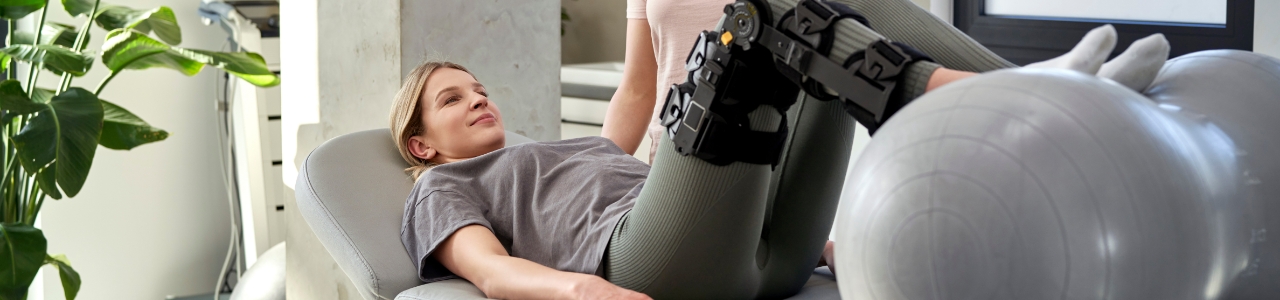
This is especially important after surgery. A person recovering from a knee procedure, for example, may want relief for their back and shoulders because they are moving differently or using crutches. That does not automatically mean massage near the surgical area is appropriate. A careful provider can work within the recovery plan and avoid placing stress on healing tissue.
You should also mention injuries from car accidents, work incidents, or sports. Pain after an injury may involve more than tight muscles. If symptoms are worsening, interrupt sleep, cause weakness, or change how you walk, an assessment may be more useful than simply booking a stronger massage.
Know What Happens During The Appointment
A first massage therapy session commonly includes a conversation about your goals and health history, an explanation of the plan, private time to get positioned, and periodic check ins about comfort. You can ask questions before the session begins, request work on specific areas, decline any area, or ask to stop at any time.
If you are uncertain about the process, reading about what to anticipate from your first massage therapy session can make the appointment feel more predictable. Predictability matters. When you know the sequence, it is easier to focus on comfort and communication rather than guessing what comes next.
A few simple steps can improve the experience:
- Arrive with enough time to complete intake forms without rushing.
- Wear comfortable clothing and remove jewelry that may interfere with positioning.
- Avoid arriving extremely hungry or immediately after a very heavy meal.
- State your desired pressure and any no touch areas clearly.
- Drink water as you normally would and allow time for a calmer schedule afterward when possible.
Plan For The Hours Afterward
People respond differently after massage. Some feel relaxed and loose right away. Others notice temporary tenderness, especially after focused work in an area that was already sensitive. Mild soreness can be manageable with rest, normal hydration, gentle movement, and avoiding unusually strenuous activity for the rest of the day.
It is reasonable to ask how will I feel after my massage therapy session before booking, particularly if you have work, sports, or travel planned afterward. There is no universal response. A light relaxation massage the evening before a busy day may feel restorative, while a more intensive session immediately before a competition may leave some people feeling temporarily tender.
Contact the provider or seek medical guidance if you experience severe or increasing pain, extensive bruising, faintness, breathing difficulty, rash, swelling, or symptoms that feel unusual for you. Massage should be adjusted when the body is giving a clear warning sign.
Key Takeaways
Make The Choice Based On Purpose And Safety
• Choose Swedish massage when relaxation, general stress relief, or a gentler first session is the priority.
• Discuss deep tissue massage when you have persistent muscle tightness and can tolerate focused work without sharp pain.
• Consider reflexology or aromatherapy as comfort focused additions, while disclosing skin, scent, breathing, or migraine concerns.
• Select a licensed massage therapist who asks about your health history and welcomes feedback about pressure and positioning.
Treat Massage As Part Of A Larger Wellness Plan
• Use massage to support relaxation, comfort, and movement goals rather than expecting one session to solve every cause of pain.
• Pair recurring tension relief with practical changes, such as movement breaks, home exercises, better lifting habits, or rehabilitation guidance when needed.
• Pause and seek medical advice for unexplained, severe, sudden, or worsening symptoms.
Frequently Asked Questions
Booking And Technique Questions
How Much Does Massage Cost In Staten Island?
Prices vary by session length, setting, therapist training, add on services, and whether massage is part of a rehabilitation plan. Ask for the complete price before booking, including any fees for aromatherapy, hot stones, extended time, or cancellation changes. The lowest price is not always the best value if the appointment feels rushed or lacks a proper intake process.
What Type Of Massage Is Best For Tight Shoulders?
A Swedish massage, focused therapeutic massage, or appropriately paced deep tissue massage may help, depending on your sensitivity and the cause of the tightness. If shoulder pain follows a fall, involves weakness, travels down the arm, or limits lifting, get evaluated instead of assuming it is only muscle tension.
Should Deep Tissue Massage Hurt?
No. It can feel intense, but it should remain tolerable and should not cause sharp, burning, or radiating pain. Speak up early. A therapist can slow down, reduce pressure, change the technique, or work around a sensitive area.
Safety And Results Questions
How Often Should I Get A Massage?
Frequency depends on your goals, budget, response to treatment, and health needs. Some people choose occasional relaxation sessions, while others schedule a short series for a specific concern. If the same problem keeps returning, consider whether daily habits, work demands, strength, mobility, or an underlying condition also need attention.
Can I Get A Massage If I Am Pregnant?
Pregnancy massage may be appropriate for some people, but it should be adapted to the stage of pregnancy, comfort, and medical history. Tell the provider you are pregnant before booking and follow guidance from your prenatal care team, especially if you have complications or a high risk pregnancy.
Is Massage Safe After Surgery?
It depends on the procedure, healing stage, location of treatment, and instructions from your surgical team. Massage may sometimes be modified to address unrelated areas, such as the upper back during lower body recovery. Do not schedule massage over or near a recent surgical area without appropriate guidance.
What Should I Wear To A Massage Appointment?
Wear comfortable clothes to the appointment. During the session, draping practices should protect privacy, and you can discuss clothing preferences with the therapist. For chair massage, you may remain fully clothed. For table massage, the therapist should explain positioning and draping before beginning.