
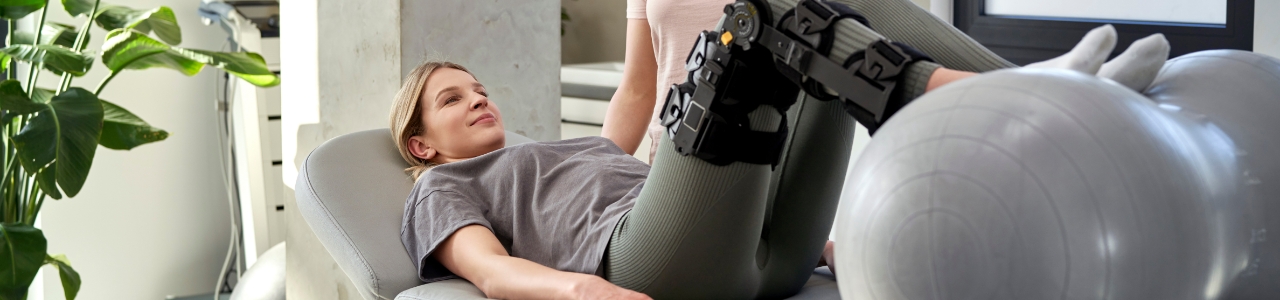
Effective Sciatica Relief: Tips for Managing Pain
Sciatica pain can be a real bummer, but the good news is that it doesn’t have to be a permanent fixture in your life. Many people find effective relief by understanding what’s causing their sciatica and adopting practical strategies to manage their pain. This article dives into those helpful tips, giving you actionable advice to start feeling better.
Before we get into relief, let’s quickly clear up what sciatica means. It’s not a diagnosis itself, but rather a symptom. Essentially, sciatica is pain that radiates along the path of the sciatic nerve. This nerve is the longest and widest nerve in your body, running from your lower back, through your hips and buttocks, and down each leg. When something irritates or compresses this nerve, you feel that familiar shooting, burning, or tingling pain.
Common Culprits Behind Sciatic Nerve Irritation
The most frequent cause is a herniated disc in your lower spine. This is when the soft inner material of a spinal disc pushes out and presses on the nerve root. Other possibilities include:
- Spinal Stenosis: A narrowing of the spinal canal that can put pressure on nerves.
- Spondylolisthesis: A condition where one vertebra slips forward over another, potentially pinching the sciatic nerve.
- Piriformis Syndrome: The piriformis muscle, located deep in your buttock, can spasm and irritate the sciatic nerve that runs nearby.
- Degenerative Disc Disease: Over time, spinal discs can wear down, leading to inflammation and nerve compression.
Figuring out the ‘why’ behind your sciatica is a crucial first step in finding the right relief.
If you’re seeking effective ways to manage sciatica pain, you might find it helpful to explore the benefits of therapeutic ultrasound. This treatment can provide significant relief by reducing inflammation and promoting healing in affected areas. For more information on how therapeutic ultrasound works and its applications in physical therapy, check out this informative article on therapeutic ultrasound.
Gentle Movement and Stretching: Your Allies Against Pain
When you’re in pain, the last thing you might want to do is move. However, for sciatica, gentle and targeted movements can be incredibly beneficial. Sitting still for too long often makes it worse by stiffening your muscles and further compressing the nerve.
The Power of Specific Stretches
Certain stretches can help to decompress the nerve and alleviate muscle tension. It’s essential to approach these with caution, listening to your body and stopping if you feel an increase in pain.
Knee-to-Chest Stretch
This is a classic for a reason. Lying on your back with knees bent and feet flat on the floor, gently bring one knee up towards your chest, using your hands to assist. Hold for 20-30 seconds, feeling a gentle stretch in your lower back and buttock. Repeat on the other side. You can also try bringing both knees up together if that feels comfortable.
Piriformis Stretch
If piriformis syndrome is suspected, this stretch is key. Lie on your back with your knees bent and feet flat on the floor. Cross the ankle of the affected leg over the opposite knee, creating a figure-four shape. Gently pull the thigh of your bottom leg towards your chest until you feel a stretch in your buttock on the crossed-leg side. Hold for 20-30 seconds.
Cat-Cow Pose (Yoga)
This is a fantastic gentle spinal mobilizer. Start on your hands and knees. As you inhale, drop your belly towards the floor, arch your back, and look up (Cow pose). As you exhale, round your spine towards the ceiling, tuck your chin to your chest, and draw your navel towards your spine (Cat pose). Move slowly and with your breath.
The Importance of Good Posture
Poor posture, whether sitting, standing, or even sleeping, can put undue stress on your spine and exacerbate sciatica.
Sitting Smart
When sitting, aim for a supportive chair that allows your feet to rest flat on the floor. Keep your back straight, and consider using a lumbar support pillow. Avoid crossing your legs for extended periods, as this can twist your pelvis and worsen nerve compression. Get up and move around every 30-60 minutes.
Standing Tall
When standing, distribute your weight evenly on both feet. Avoid slouching. If you have to stand for a long time, try placing one foot on a low stool or step to elevate your hips slightly and reduce pressure on your lower back.
Heat and Cold Therapy: Simple Yet Effective Tools

Using temperature therapy can be surprisingly effective for managing sciatica pain, whether it’s the initial acute phase or ongoing discomfort. It’s about reducing inflammation and soothing tight muscles.
When to Use Heat
Heat can help relax tight muscles and increase blood flow, which is beneficial for chronic pain or muscle stiffness.
- Warm Compresses/Heating Pads: Apply a warm compress or heating pad to the affected area (lower back, buttocks) for 15-20 minutes. Make sure it’s not too hot to avoid burns. A warm bath or shower can also provide similar relief.
- When it Helps Most: Heat is often more effective when the pain is more muscular and less about acute inflammation.
When to Use Cold
Cold therapy is excellent for reducing inflammation and numbing acute pain, especially shortly after an event that triggers your sciatica.
- Ice Packs: Wrap an ice pack or bag of frozen vegetables in a thin towel and apply it to the painful area for 15-20 minutes at a time. Do this several times a day.
- When it Helps Most: Cold is typically best for the initial flare-ups or when the pain feels sharp and inflamed.
Pro Tip: You can alternate between heat and cold. Some people find that applying cold for the first 24-48 hours to reduce inflammation, and then switching to heat to relax muscles, works best.
Lifestyle Adjustments for Long-Term Relief

Beyond immediate pain management, making certain lifestyle changes can significantly reduce your risk of future sciatica episodes and contribute to overall well-being.
Weight Management Matters
Carrying excess weight, particularly around the abdomen, puts extra strain on your lower back and spinal discs. Losing even a small amount of weight can make a noticeable difference in reducing pressure on your sciatic nerve. Focus on a balanced diet and regular, gentle exercise.
Quitting Smoking for a Healthier Spine
If you smoke, quitting is one of the best things you can do for your spine. Smoking impairs blood flow, which is crucial for disc health. It also contributes to dehydration of the spinal discs, making them more prone to herniation and degeneration.
Stress Reduction Techniques
Chronic stress can lead to muscle tension. When your back and gluteal muscles are constantly tight, they can compress the sciatic nerve. Incorporating stress-reducing activities like meditation, deep breathing exercises, or spending time in nature can have a positive impact on your pain levels.
If you’re seeking effective ways to alleviate sciatica pain, you might find it helpful to explore spinal manipulation techniques. These methods can provide significant relief by addressing the underlying issues contributing to nerve compression. For more detailed information on this treatment option, you can read a related article on spinal manipulation here. Understanding how spinal manipulation works may empower you to make informed decisions about your pain management strategies.
Exploring Professional Help: When to Seek Guidance
| Treatment | Success Rate | Duration |
|---|---|---|
| Physical Therapy | 70% | 6-8 weeks |
| Medication | 50% | Varies |
| Surgery | 80% | Recovery time varies |
Sometimes, self-care strategies aren’t enough, and that’s perfectly okay. There are many professionals who can offer specialized treatment and relief.
Physical Therapy: The Cornerstone of Sciatica Recovery
A physical therapist is your best bet for tailored exercises and education. They can:
- Diagnose: Accurately pinpoint the cause of your sciatica.
- Develop a Personalized Plan: Create a program of stretches and strengthening exercises specific to your condition, ensuring you’re doing them correctly to avoid further injury.
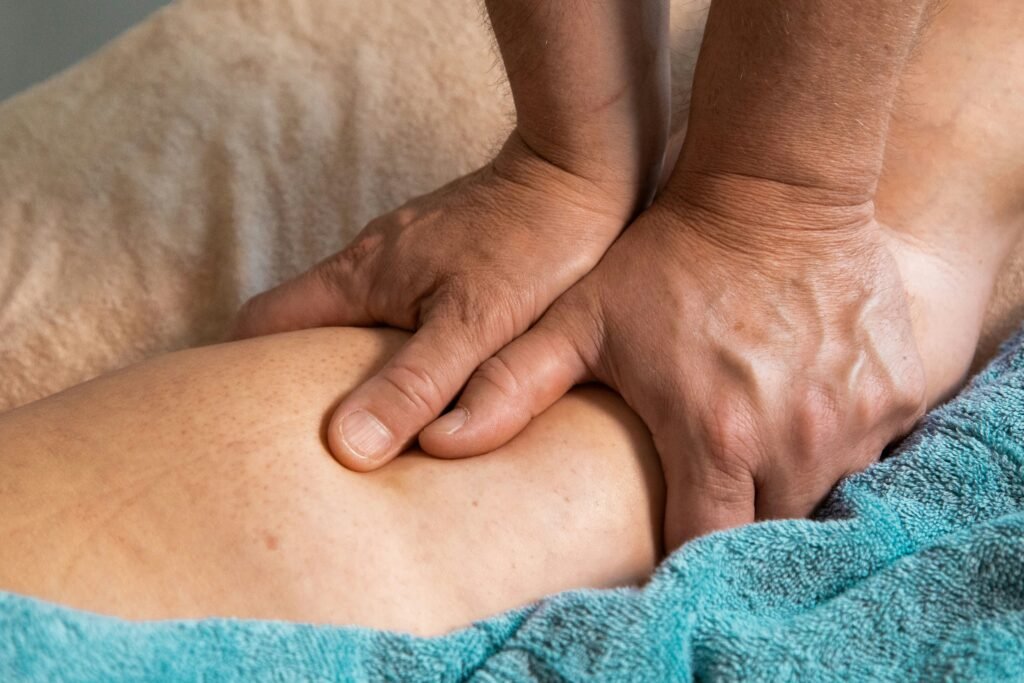
- Provide Manual Therapy: Techniques like massage and mobilization can help release muscle tension and improve spinal alignment.
- Educate: Teach you proper body mechanics for daily activities to prevent future flare-ups.
Chiropractic Care and Osteopathy
These practitioners focus on the alignment of the spine and body. They use manual adjustments and other techniques to address misalignments that might be contributing to nerve compression. It’s important to find a practitioner who has experience with sciatica.
Medical Interventions: When Other Options Don’t Suffice
If conservative treatments aren’t providing relief, your doctor might consider other options.
Medications
- Over-the-counter pain relievers: Ibuprofen (Advil, Motrin) or naproxen (Aleve) can help reduce inflammation and pain. Acetaminophen (Tylenol) can help with pain but doesn’t reduce inflammation.
- Prescription medications: In some cases, stronger anti-inflammatories, muscle relaxants, or even nerve pain medications might be prescribed.
Injections
- Epidural Steroid Injections: Steroids can be injected near the affected nerve root to reduce inflammation and pain. This is usually a temporary solution.
Surgery
Surgery is typically a last resort, considered only when conservative treatments have failed and imaging confirms significant nerve compression causing severe or progressive symptoms, such as significant leg weakness or loss of bowel/bladder control.
Integrating Mind and Body: A Holistic Approach
Managing sciatica isn’t just about physical fixes; your mental state plays a huge role. Pain can be exhausting and disheartening, so nurturing your mental well-being is essential for effective recovery.
The Role of Mindfulness and Meditation
When you’re constantly focused on pain, it can amplify your perception of it. Mindfulness and meditation practices help you:
- Become Aware of Sensations: Learn to observe your pain without judgment, understanding that sensations can change.
- Reduce Anxiety: Sciatica can trigger anxiety about the pain and its impact on your life. Meditation helps calm the nervous system.
- Improve Focus: By practicing mindfulness, you can gently redirect your attention away from the most intense pain points.
Even a few minutes of deep breathing or guided meditation each day can make a difference.
Importance of Quality Sleep
Pain can disrupt sleep, and poor sleep can worsen pain. It’s a tough cycle. To improve sleep quality:
- Establish a Routine: Go to bed and wake up around the same time, even on weekends.
- Create a Sleep-Evoking Environment: Keep your bedroom dark, quiet, and cool.
- Comfortable Sleeping Position: Experiment with different pillow and mattress arrangements. Sleeping on your side with a pillow between your knees can help maintain spinal alignment. Avoid sleeping on your stomach.
Staying Active (Wisely)
While rest is important during acute flare-ups, prolonged inactivity can lead to deconditioning and more stiffness.
- Gentle Walking: Regular, short walks can improve blood circulation and keep muscles from tightening up.
- Low-Impact Activities: Swimming or water aerobics are excellent because the buoyancy of the water supports your body and reduces stress on your spine.
- Listen to Your Body: This is paramount. If an activity increases your pain, stop. The goal is to stay functional, not to push through debilitating pain.
By combining these strategies, you can create a comprehensive plan to not only find relief from sciatica but also build a more resilient and pain-free future. Remember, consistency is key, and finding what works best for you is the ultimate goal.
FAQs
What is sciatica?
Sciatica is a condition characterized by pain that radiates along the path of the sciatic nerve, which branches from your lower back through your hips and buttocks and down each leg.
What are the common symptoms of sciatica?
Common symptoms of sciatica include pain in the lower back, buttocks, or leg that worsens when sitting, tingling or burning down the leg, weakness, numbness, or difficulty moving the leg or foot, and constant pain on one side of the rear.
What are some ways to find relief from sciatica?
Some ways to find relief from sciatica include regular exercise, hot or cold therapy, over-the-counter pain medications, and physical therapy. In some cases, a doctor may recommend steroid injections or surgery.
How long does sciatica pain typically last?
Sciatica pain can vary in duration, but it often improves within a few weeks with self-care measures. However, some cases of sciatica can be chronic and may require ongoing management.
When should I see a doctor for sciatica?
You should see a doctor for sciatica if the pain is severe, lasts longer than a week, or if it is accompanied by loss of bowel or bladder control, weakness in the leg, or if it is associated with a recent injury.